


Understanding Mixed aluminum scrap Prices
Market Overview & Supply Chain Dynamics
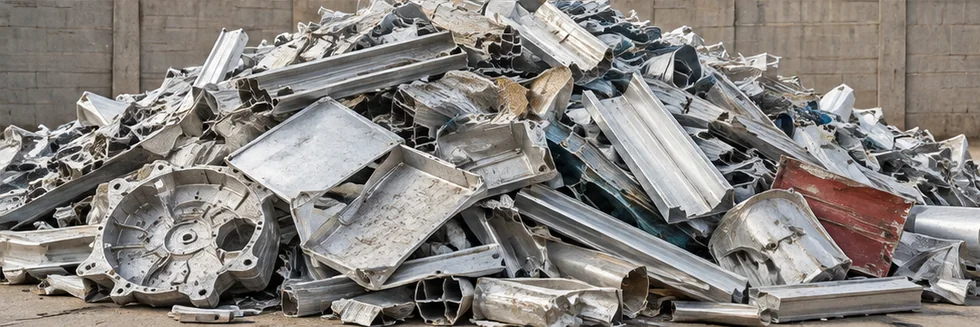
Mixed Aluminum Scrap combines material that has not been fully separated by alloy or article type. Alloy segregation, wrought and cast content, coatings, and ferrous attachments determine metal yield and buyer suitability. British pound-per-kilogram merchant bids value an accepted scrap category rather than exchange-deliverable primary aluminum. Collection, sorting, preparation, and remelting are still needed before the material becomes a specified secondary alloy product.
Key Applications & Industrial Demand
Secondary smelters, refiners, and scrap processors purchase mixed aluminum for separation and alloy production. Casting markets can accept different chemistry from sheet or extrusion routes. The buyer's target alloy recipe determines whether a mixed load is useful directly or requires more costly sorting and adjustment.
Key Factors Influencing Mixed Aluminum Scrap Price Movements
- Alloy and Article Composition: Alloy segregation, wrought and cast proportions, unwanted elements, and the intended furnace recipe influence which recycling buyer can use the load.
- Recoverable Metal Content: Metal yield, coatings, oxidation, moisture, dirt, and ferrous attachments determine the usable aluminum remaining after preparation and melting.
- Secondary Market and Collection: Demand for secondary alloys, competing scrap supply, furnace capacity, freight, and merchant collection costs influence the price offered to sellers.
How to Interpret Mixed Aluminum Scrap Pricing Data
Read a merchant buying price per accepted kilogram, then identify deductions, delivery terms, and minimum quantities. A mixed-scrap bid should not be equated with a primary-aluminum exchange price. The gross load can include attachments and nonmetallic material, while sorting and melting losses reduce payable recovery. Clean single-alloy scrap therefore provides a different commercial comparison from mixed material.
Further reading: The Aluminum Association: Secondary Production and Scrap Sorting
Frequently Asked Questions About Mixed aluminum scrap
What Drives Price Changes for Mixed Aluminum Scrap?
Secondary-alloy demand, aluminum benchmarks, scrap availability, sorting costs, and recoverable yield influence bids. A less consistent alloy mix can widen discounts even when the primary-metal market rises.
How Do Quality or Specification Differences Affect Mixed Aluminum Scrap Pricing?
Compare alloy mix, casting or wrought content, coatings, attachments, moisture, and recovery expectations. Clean segregated scrap and mixed attached articles represent different furnace inputs.
Why Can Local Mixed Aluminum Scrap Prices Differ From Global Benchmarks?
Local secondary smelters, target alloy demand, sorting technology, freight, and merchant competition vary. The distance to a suitable consuming furnace can materially affect a mixed-load bid.