


Understanding Meltblown fabric Prices
Market Overview & Supply Chain Dynamics
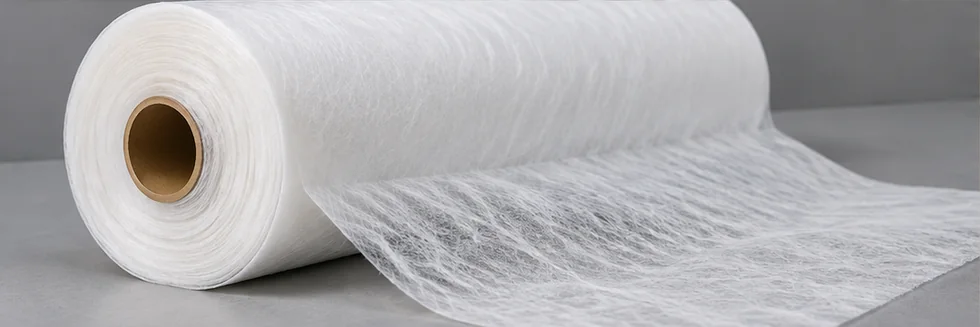
Meltblown Fabric is made by extruding polymer and using hot air to form fine fibers into a web. Basis weight, electret treatment, pressure drop, and filtration efficiency distinguish relevant grades. Polypropylene is common, but meltblown describes a process rather than a universal polymer or mask certification. Web uniformity and finishing determine whether the material serves filtration, absorption, insulation, or another use.
Key Applications & Industrial Demand
Air and liquid filters, absorbents, protective composites, and other technical products use suitable meltblown webs. Medical or respiratory applications require product-specific qualification. A fine-looking web cannot be assumed to provide a particular filtration class without the applicable test conditions and complete product design.
Key Factors Influencing Meltblown Fabric Price Movements
- Polymer and Fiber Formation: Resin rheology, fine fibers, die condition, hot-air energy, throughput, and web uniformity influence the cost of consistent meltblown production.
- Filtration Engineering: Electret treatment, filtration efficiency, pressure drop, loading behavior, and charge stability determine value in qualified filter applications.
- Conversion and Testing: Basis weight, strength, width, defects, storage, test documentation, and composite construction affect customer acceptance and useful conversion yield.
How to Interpret Meltblown Fabric Pricing Data
Meltblown may quote per kilogram or square meter with grammage, polymer, treatment, width, and tests stated. Compare filtration only under the same aerosol, flow, conditioning, and sample configuration. A finished mask or filter includes layers, seals, and other manufacturing beyond the web.
Further reading: EDANA Spunlaid and Meltblown Technology
Frequently Asked Questions About Meltblown fabric
What Drives Price Changes for Meltblown Fabric?
Specialty resin, energy, die and line capacity, filter orders, treatment, and inventory influence prices. Qualified filtration grades can follow different conditions from ordinary absorbent meltblown.
How Do Quality or Specification Differences Affect Meltblown Fabric Pricing?
Fiber uniformity, grammage, treatment, efficiency, pressure drop, strength, and stability matter. A single high filtration result without test conditions does not establish equivalent real-product performance.
Why Can Local Meltblown Fabric Prices Differ From Global Benchmarks?
Local specialist lines, testing, freight, duties, qualified stocks, and filter-converter demand affect prices. Storage and treatment retention can also change the value of material already in inventory.