


Understanding Manganese ore Prices
Market Overview & Supply Chain Dynamics
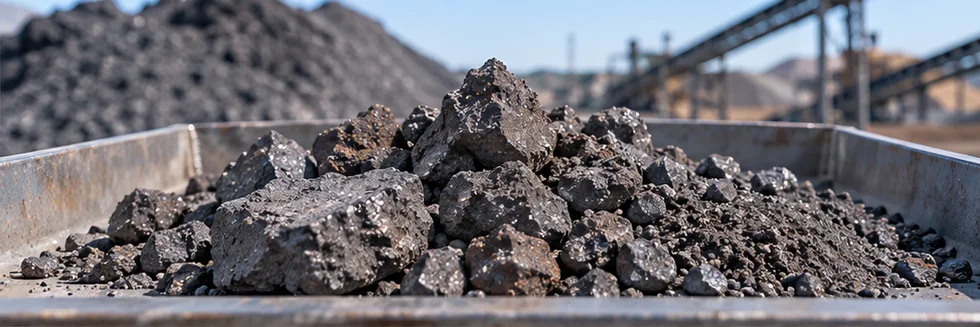
Manganese Ore is mined, sorted, washed, or beneficiated into products with a specified manganese grade. Mn/Fe ratio, phosphorus, lump and fines form, and dry metric ton unit settlement distinguish commercial ores. Alloy smelters assess reducibility, gangue, and chemistry together. A high headline Mn percentage is therefore only part of a feedstock's value in producing acceptable ferromanganese or silicomanganese.
Key Applications & Industrial Demand
Ferroalloy smelters consume most suitable merchant ore, while selected chemical and battery-material chains require particular processing routes and purity. Smelters blend ores to achieve furnace and alloy targets. Ore suited to a furnace is not automatically a battery-grade manganese chemical.
Key Factors Influencing Manganese Ore Price Movements
- Mining and Beneficiation: Deposit chemistry, recovery, washing, sizing, and transport to export ports influence supply and the production cost of different manganese ores.
- Furnace Chemistry: Manganese grade, Mn/Fe ratio, phosphorus, and gangue determine alloy yield and the impurity balance a smelter must manage.
- Trade and Physical Form: Lump and fines availability, freight, smelter demand, and dry metric ton unit conventions influence delivered buying terms and regional grade premiums.
How to Interpret Manganese Ore Pricing Data
Ore prices often use US dollars per dry metric ton unit of manganese. One unit represents a defined percentage point of Mn in a dry ton under that convention. Align assay, moisture, physical form, freight, and impurity adjustments before comparing cargoes.
Further reading: USGS Manganese Supply and Applications
Frequently Asked Questions About Manganese ore
What Drives Price Changes for Manganese Ore?
Mine shipments, ferroalloy output, smelter power availability, ocean freight, and port inventories move ore prices. Different grades can follow distinct furnace-demand and blending requirements.
How Do Quality or Specification Differences Affect Manganese Ore Pricing?
Mn assay, iron ratio, phosphorus, silica, moisture, sizing, and reduction behavior matter. A cheaper ore may require more energy or constrain the final alloy chemistry.
Why Can Local Manganese Ore Prices Differ From Global Benchmarks?
Mine-to-port distance, bulk freight, inland haulage, duties, inventories, and smelter demand affect costs. Metal-unit quotations must also use the same dry-weight and grade basis.