


Understanding Lithium iron phosphate cathode Prices
Market Overview & Supply Chain Dynamics
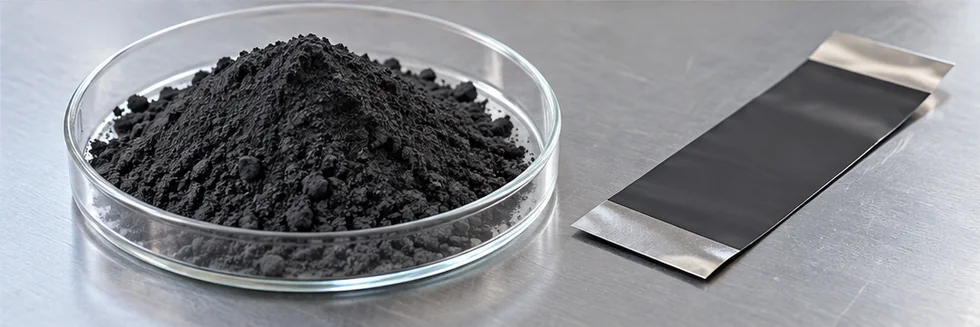
Lithium Iron Phosphate Cathode is an active powder based on LiFePO4 rather than a complete battery cell. Carbon coating, particle size, tap density, and electrochemical capacity distinguish commercial grades. Producers combine lithium, iron, phosphate, and carbon-bearing inputs through controlled synthesis and heat treatment. The final powder must meet a cell maker's particle, chemical, and performance requirements before entering an electrode recipe.
Key Applications & Industrial Demand
Electric vehicles, buses, stationary storage, and other qualified battery systems use LFP-based positive electrodes. Demand follows cell production and design choices, not simply lithium consumption. Electrode manufacturers also need consistent coating, slurry behavior, and trace contamination control.
Key Factors Influencing Lithium Iron Phosphate Cathode Price Movements
- Chemical Input Costs: Lithium chemicals, iron and phosphate precursors, carbon inputs, and thermal processing influence the cost of producing active LiFePO4 powder.
- Powder Engineering: Carbon coating, particle size, and tap density affect conductivity, packing, slurry processing, and the ability to produce repeatable electrodes.
- Cell Performance Approval: Electrochemical capacity, impurities, moisture, and cycle behavior determine qualification, with approved cell-factory orders influencing demand more precisely than broad battery announcements.
How to Interpret Lithium Iron Phosphate Cathode Pricing Data
Cathode powder is commonly quoted per kilogram or metric ton. Distinguish active material from precursor, electrode foil, and finished cell. Compare lithium basis, particle specifications, test conditions, carbon, and approved grade before assessing a low-price alternative.
Further reading: Epsilon LFP Cathode Manufacturing Processes
Frequently Asked Questions About Lithium iron phosphate cathode
What Drives Price Changes for Lithium Iron Phosphate Cathode?
Lithium input values, cathode capacity, LFP cell output, energy, and inventories influence prices. Oversupply of generic powder may not eliminate premiums for a qualified high-performance grade.
How Do Quality or Specification Differences Affect Lithium Iron Phosphate Cathode Pricing?
Purity, particle distribution, carbon coating, tap density, moisture, capacity, and consistency matter. Laboratory capacity figures require the stated electrode and test conditions to be meaningful.
Why Can Local Lithium Iron Phosphate Cathode Prices Differ From Global Benchmarks?
Precursor access, synthesis energy, freight, duties, customer approvals, and regional cell manufacturing affect prices. Qualified local supply can reduce handling, inventory, and revalidation costs.