


Understanding Liquid oxygen Prices
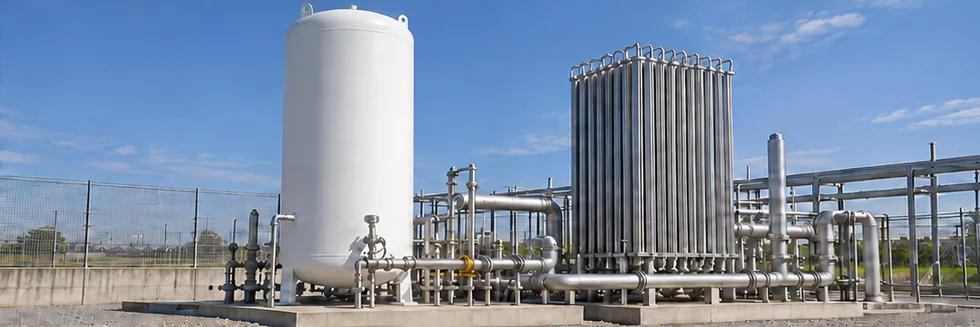
Market Overview & Supply Chain Dynamics
Liquid Oxygen is made in air separation plants and transported in insulated cryogenic tanks. Boil-off, oxygen purity, and the customer's vaporizer arrangement influence the economics of supply. A bulk-gas contract can include tank rental and delivery service, so the price of the liquid alone may represent only part of the bill. Industrial oxygen and medically regulated oxygen also involve different qualification and documentation requirements.
Key Applications & Industrial Demand
Steelmaking, metal cutting, glass production, wastewater treatment, and chemical oxidation use oxygen to intensify processes. Bulk liquid is particularly useful where consumption supports a storage tank but does not justify a dedicated on-site production unit or pipeline connection.
Key Factors Influencing Liquid Oxygen Price Movements
- Separation Energy: Air separation consumes electricity, while plant loading and maintenance influence the volume of oxygen available for merchant liquid sale.
- Tank Utilization: Cryogenic tanks and a correctly sized vaporizer reduce delivery interruptions; boil-off and low consumption can increase the cost per usable kilogram.
- Application Qualification: Oxygen purity, cleanliness, and regulated-use requirements separate industrial supply from more demanding contracts and can limit alternative delivery options.
How to Interpret Liquid Oxygen Pricing Data
Offers may use kilograms, metric tons, liters of liquid, or gas-equivalent volume. Convert only with the stated physical basis and conditions. Tank rent, minimum deliveries, vaporization equipment, and losses during low consumption can change the effective delivered oxygen cost.
Further reading: Linde Bulk Cryogenic Gas Storage
Frequently Asked Questions About Liquid oxygen
What drives price changes for Liquid Oxygen?
Electricity, separation-plant output, steel and chemical demand, and delivery distance are key drivers. Regional transport constraints can matter more than national production capacity.
How do quality or specification differences affect Liquid Oxygen pricing?
Purity, contamination limits, documentation, and intended use affect price. Medical supply requires its own regulatory qualification rather than an assumption based on oxygen percentage.
Why can local Liquid Oxygen prices differ from global benchmarks?
Cryogenic trucking, tank rental, vaporization equipment, minimum loads, and boil-off make oxygen highly local. Small remote customers incur higher delivered-service costs.