


Understanding LFP battery cell Prices
Market Overview & Supply Chain Dynamics
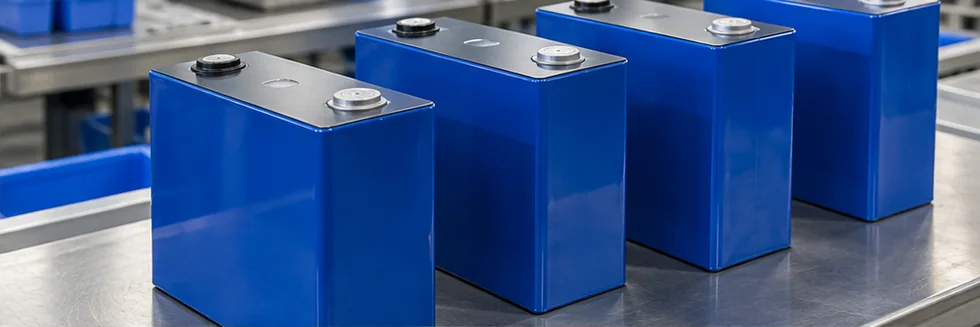
An LFP Battery Cell stores energy with an iron-phosphate cathode inside a lithium-ion electrochemical system. Ampere-hour capacity alone does not establish usable energy without voltage and operating limits. Internal resistance and cell matching affect pack performance, while cycle life depends on temperature, charge rate, and depth of discharge. A loose cell is one component of a complete protected storage system.
Key Applications & Industrial Demand
Stationary storage, electric mobility, and industrial battery assemblies use LFP where repeated cycling, cost, and suitable safety engineering are priorities. Pack designers still require monitoring, protection, thermal management, and an electrical configuration appropriate to the application.
Key Factors Influencing LFP Battery Cell Price Movements
- Cathode and Cell Output: Iron-phosphate cathode inputs, lithium costs, and cell-manufacturing utilization influence available supply and production economics.
- Performance Consistency: Internal resistance, ampere-hour capacity tolerance, and cell matching affect pack yield and distinguish qualified cells from mixed or unverified lots.
- Lifetime Qualification: Cycle life claims depend on test conditions; application qualification, traceability, and warranty influence the value of an otherwise similar cell.
How to Interpret LFP Battery Cell Pricing Data
Compare cell prices per unit or rated kilowatt-hour using the stated voltage and capacity. Establish test conditions, manufacturing grade, traceability, and warranty. Pack assembly, busbars, protection, thermal systems, and certification remain additional costs.
Further reading: Canada Energy Regulator: Battery Storage Technologies
Frequently Asked Questions About LFP battery cell
What drives price changes for LFP Battery Cell?
Lithium and cathode costs, cell-factory utilization, storage procurement, electric-vehicle demand, and inventory affect LFP cell pricing.
How do quality or specification differences affect LFP Battery Cell pricing?
Capacity, resistance, cycle testing, form factor, traceability, and consistency matter. Unmatched cells can increase assembly losses and reduce pack performance.
Why can local LFP Battery Cell prices differ from global benchmarks?
Dangerous-goods freight, import duties, testing, small-lot inventory, warranty support, and local pack-integration requirements add regional costs.