


Understanding Lean pork shoulder Prices
Market Overview & Supply Chain Dynamics
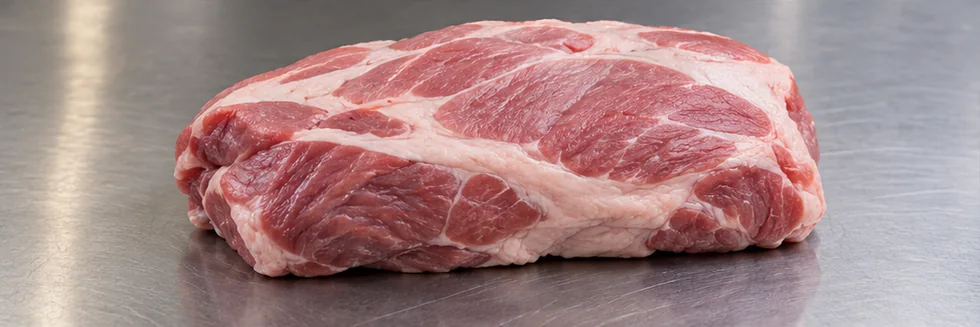
Lean Pork Shoulder comes from working shoulder muscles and contains connective tissue that distinguishes its cooking behavior from tender loin cuts. Lean trim and muscle definition determine the commercial product, while boneless yield reflects fabrication and removal of bone or excess fat. Purge and handling condition affect the usable amount recovered after the package is opened.
Key Applications & Industrial Demand
Sausage, ground-pork products, cooked meats, slow-cooked dishes, and restaurant preparation use shoulder to specific lean and connective-tissue requirements. A processor seeking controlled fat composition may value trimming consistency over retail appearance.
Key Factors Influencing Lean Pork Shoulder Price Movements
- Lean Recovery: Lean trim, boneless yield, and muscle definition determine the usable meat obtained after fabrication.
- Processing Behavior: Connective tissue, fat distribution, color, and purge affect cooking, grinding, and formulated-meat performance.
- Shoulder Outlets: Sausage orders, cooked-meat demand, export preferences, hog slaughter, and cold stocks influence shoulder values.
How to Interpret Lean Pork Shoulder Pricing Data
Compare prices per kilogram with shoulder subcut, bone status, lean specification, trim, and temperature state declared. Bone-in wholesale shoulder and closely trimmed boneless meat have different recoveries. Added solutions or marinades require separate ingredient and yield assessment.
Further reading: USDA FSIS: Pork Cut Definitions
Frequently Asked Questions About Lean pork shoulder
What drives price changes for Lean Pork Shoulder?
Pork production, deboning and trim costs, processed-meat demand, exports, and lean-meat availability affect prices.
How do quality or specification differences affect Lean Pork Shoulder pricing?
Subcut, lean percentage, bone, trim, connective tissue, purge, and fresh or frozen state determine usable value.
Why can local Lean Pork Shoulder prices differ from global benchmarks?
Local cutting standards, labor, meat-processing demand, freight, cold storage, and import conditions create regional differences.