


Understanding LCD display module Prices
Market Overview & Supply Chain Dynamics
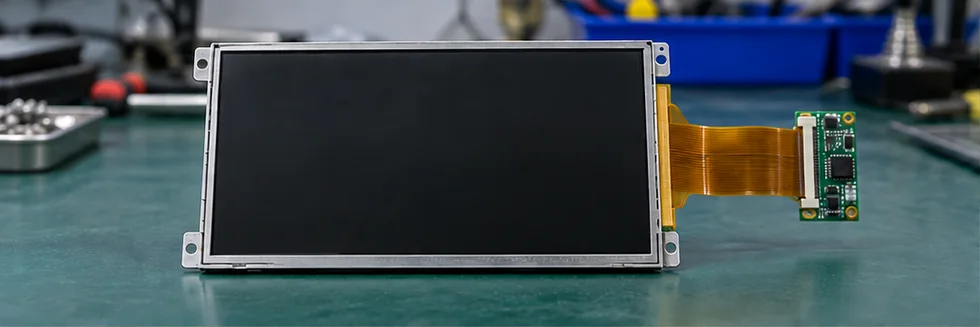
An LCD display module combines a liquid-crystal panel with a backlight, connection arrangement, and sometimes driving electronics or a touch layer. Resolution, viewing angle, interface, and operating temperature distinguish modules even at the same diagonal size. Panel fabrication is followed by module assembly and optical testing. Brightness, contrast, pixel defects, and mechanical tolerances influence the yield of modules acceptable for a particular finished product.
Key Applications & Industrial Demand
Industrial human-machine interfaces, appliances, medical instruments, vehicle dashboards, and portable electronics use LCD modules. Outdoor instruments need different optical and temperature behavior from indoor consumer displays. Equipment makers often preserve the same mechanical outline and interface over long production runs to avoid redesigning housings and software.
Key Factors Influencing LCD Display Module Price Movements
- Optical Specification: Resolution, viewing angle, backlight brightness, contrast, and sunlight readability affect panel selection, testing, and the usable yield of assemblies.
- Integration Features: The interface, touch layer, controller electronics, connectors, and optical bonding determine how much engineering remains outside the purchased module.
- Lifecycle and Temperature: Industrial operating ranges, long-term availability, optical consistency, and customer-approved mechanical dimensions can sustain premiums over short-cycle consumer panels.
How to Interpret LCD Display Module Pricing Data
Module prices are usually per complete assembly, but touch glass, controller boards, cables, and enclosure bonding may be separate. Compare active area, pixel dimensions, brightness, connection type, viewing direction, and defect policy. A bare panel is not commercially equivalent to a tested display ready for mechanical installation.
Further reading: Newhaven Display: LCD Displays
Frequently Asked Questions About LCD display module
What drives price changes for LCD Display Module?
Panel output, backlight components, size demand, touch integration, and availability of approved module designs influence display prices.
How do quality or specification differences affect LCD Display Module pricing?
Resolution, brightness, viewing behavior, temperature range, pixel-defect limits, and included electronics determine the actual display grade.
Why can local LCD Display Module prices differ from global benchmarks?
Breakage-sensitive shipping, specialist stock, small orders, controller kits, and long-lifecycle support add costs beyond large panel contracts.