


Understanding Latex gloves Prices
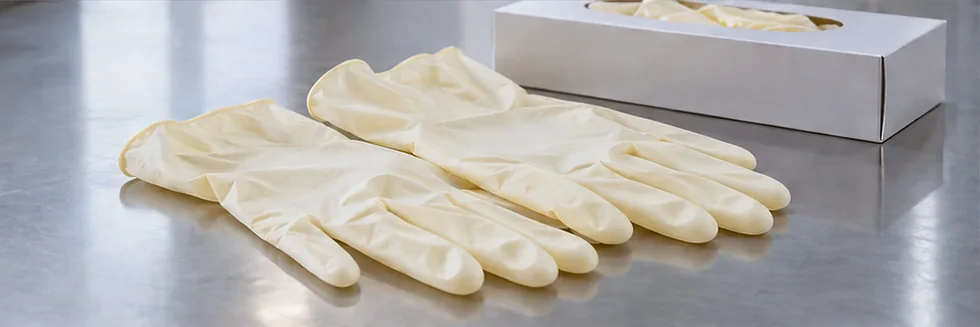
Market Overview & Supply Chain Dynamics
Latex Gloves are manufactured by dipping molds into compounded natural latex, followed by curing, leaching, and finishing. Extractable proteins, elastic recovery, powder-free finishing, and barrier testing distinguish products. Examination, surgical, industrial, and cleanroom gloves involve different qualification requirements. A low purchase price is therefore meaningful only when the glove's intended use and quality level match the buyer's needs.
Key Applications & Industrial Demand
Medical work, laboratories, cleaning, and selected industrial operations use qualified latex gloves. Fit and flexibility are valuable, while latex sensitivity influences purchasing decisions. Chemical resistance and protection depend on the actual task; natural-rubber gloves are not universal chemical barriers.
Key Factors Influencing Latex Gloves Price Movements
- Latex and Dipping Costs: Natural latex prices, factory utilization, curing energy, and dipping yield influence the manufacturing cost of an acceptable glove.
- Protein and Finishing Control: Extractable proteins and powder-free finishing affect application acceptance, while leaching and surface treatment add processing cost beyond basic latex consumption.
- Protective Performance: Elastic recovery, barrier testing, thickness, and sterile status determine product suitability, creating separate price tiers for examination, surgical, or industrial gloves.
How to Interpret Latex Gloves Pricing Data
Prices should be compared per glove with box count, size, length, thickness, and intended-use testing aligned. Powder-free examination gloves and sterile surgical pairs are distinct products. Distributor packaging and lot documentation also contribute to landed value.
Further reading: Ansell Glove Product Resources
Frequently Asked Questions About Latex gloves
What Drives Price Changes for Latex Gloves?
Natural-latex costs, dipping capacity, healthcare and industrial procurement, and inventory affect prices. Demand can shift toward alternative materials where users have latex-sensitivity concerns.
How Do Quality or Specification Differences Affect Latex Gloves Pricing?
Protein controls, barrier defects, thickness, finishing, sterility, and fit distinguish gloves. Testing and documentation matter more than a broad claim of premium natural latex.
Why Can Local Latex Gloves Prices Differ From Global Benchmarks?
Device qualification, import duty, testing, sterile packing, freight, and local stock affect prices. Smaller institutional deliveries include more handling than factory-scale carton shipments.