


Understanding Iron ore pellets Prices
Market Overview & Supply Chain Dynamics
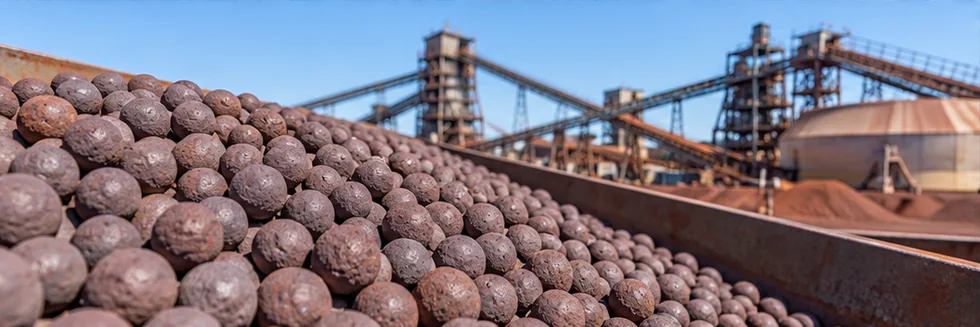
Iron Ore Pellets are manufactured by pelletizing fine concentrate with binders and hardening the resulting spheres. Compressive strength, reducibility, and acid and fluxed chemistry distinguish commercial products. DR grade pellets serve direct-reduction plants with particularly demanding impurity requirements. Pellet supply therefore includes mining, beneficiation, agglomeration, and energy costs beyond those contained in an ordinary iron-ore-fines quotation.
Key Applications & Industrial Demand
Blast furnaces and direct-reduction plants consume pellets that meet their burden design. Consistent sizing supports gas flow, while strength reduces unwanted fines. A pellet intended for one route may not meet the chemistry or reduction behavior required by another steelmaking installation.
Key Factors Influencing Iron Ore Pellets Price Movements
- Concentrate and Energy: Fine-concentrate quality, binders, and hardening energy affect pelletizing costs, while outages can constrain supply even when mined iron ore is available.
- Furnace Performance: Compressive strength and reducibility influence handling losses and reduction efficiency, supporting premiums for stable pellets with suitable metallurgical behavior.
- Chemical Grade: Acid and fluxed specifications and DR grade requirements create separate markets, with low-gangue direct-reduction feed often facing narrower qualified supply.
How to Interpret Iron Ore Pellets Pricing Data
Pellet offers often use dry metric tons with an ore value plus a pellet premium. Identify blast-furnace or DR quality, chemistry, strength, and delivery basis. Comparing only iron percentage omits agglomeration value and the restrictions of the consuming furnace.
Further reading: American Iron and Steel Institute: Steel Production
Frequently Asked Questions About Iron ore pellets
What Drives Price Changes for Iron Ore Pellets?
Concentrate supply, pellet-plant capacity, energy, blast-furnace demand, and direct-reduction investment shape prices. Qualified DR pellets can develop premiums independently of ordinary fines.
How Do Quality or Specification Differences Affect Iron Ore Pellets Pricing?
Iron content, silica, alumina, flux, strength, reducibility, and size affect value. Direct-reduction customers can require chemistry that a standard blast-furnace pellet cannot provide.
Why Can Local Iron Ore Pellets Prices Differ From Global Benchmarks?
Bulk freight, port storage, handling breakage, duties, and local furnace design affect delivered prices. A regional pellet premium reflects both logistics and the availability of accepted grades.