


Understanding Iron ore fines 65% Fe Prices
Market Overview & Supply Chain Dynamics
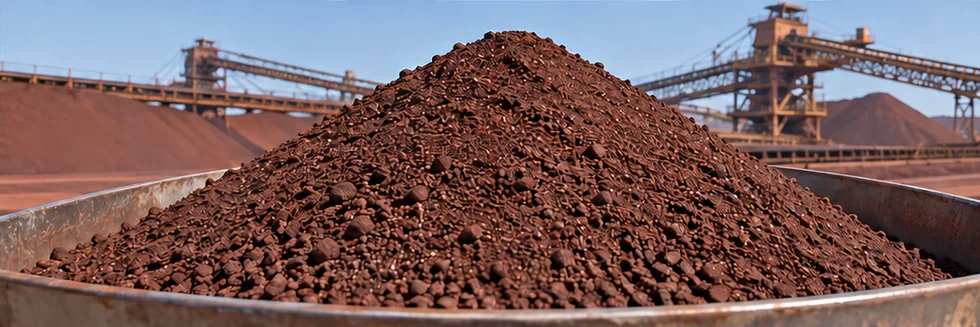
Iron Ore Fines 65% Fe is a high-iron fine ore whose iron assay, gangue, moisture, and size distribution affect blast-furnace economics. Most fines need sintering or another agglomeration route before use. Mine beneficiation and blending establish shipment chemistry. A 65% headline does not capture alumina, silica, phosphorus, or other characteristics that influence slag volume and steelworks productivity.
Key Applications & Industrial Demand
Integrated steel mills consume suitable fines through sinter plants and blast furnaces. Higher iron and lower unwanted gangue can support furnace efficiency, but each mill balances ores within its own burden mix. Suitability depends on chemistry and processing behavior, not Fe content alone.
Key Factors Influencing Iron Ore Fines 65% Fe Price Movements
- Contained-Iron Value: Iron assay affects the ore needed for a ton of hot metal, while gangue influences slag handling, energy use, and burden economics.
- Agglomeration Behavior: Sintering performance and size distribution determine whether fines blend effectively with a mill's other feedstocks and operating conditions.
- Moisture and Freight: Moisture changes payable dry weight and transport efficiency, while mine-to-port logistics and bulk freight shape the delivered high-grade premium.
How to Interpret Iron Ore Fines 65% Fe Pricing Data
Determine whether prices are per dry metric ton, wet ton, or dry metric ton unit of iron. Chemistry adjustments, moisture deductions, freight, and delivery port can change value. A lower-grade benchmark requires an explicit quality adjustment before it represents 65% fines.
Further reading: World Steel Association: Steelmaking Routes
Frequently Asked Questions About Iron ore fines 65% Fe
What Drives Price Changes for Iron Ore Fines 65% Fe?
Chinese steel output, high-grade mine supply, freight, and mill margins influence prices. Demand for furnace efficiency can widen the premium for high-iron, lower-gangue material.
How Do Quality or Specification Differences Affect Iron Ore Fines 65% Fe Pricing?
Iron, silica, alumina, phosphorus, sulfur, moisture, and sizing matter. Two65% Fe shipments can impose different sinter and furnace costs because their remaining chemistry differs.
Why Can Local Iron Ore Fines 65% Fe Prices Differ From Global Benchmarks?
Ocean freight, port handling, inland transport, blending access, and a mill's burden requirements affect local costs. A mine or export-port reference excludes several delivered expenses.