


Understanding Intravenous cannula Prices
Market Overview & Supply Chain Dynamics
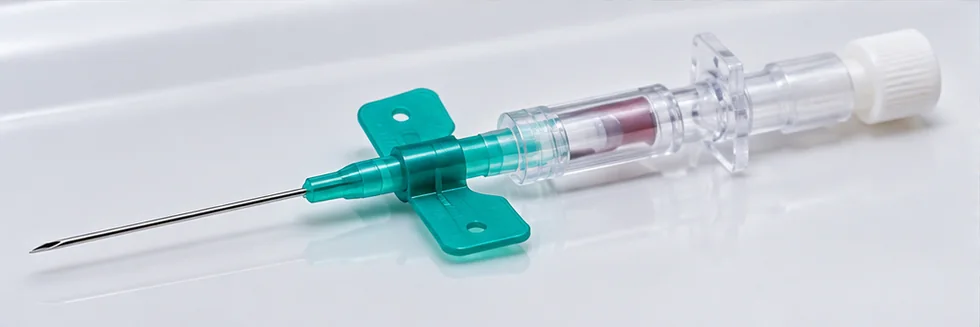
An Intravenous Cannula combines a flexible catheter, introducer needle, hub, and often a flashback chamber. Gauge, catheter length, FEP or other catheter material, and a safety shield determine the supplied device. Manufacture includes precision assembly, flow and integrity controls, sterilization, and individual wrapping. Vietnamese dong listings can refer to a sales pack rather than one cannula, making pack quantity essential to the purchasing calculation.
Key Applications & Industrial Demand
Hospital wards, emergency departments, surgical units, and infusion services stock peripheral cannulas in multiple sizes. Demand follows patient throughput, replacement protocols, and clinical requirements for vascular access. Winged, ported, non-ported, and safety-engineered versions serve different workflows, so a low-cost generic cannula cannot automatically substitute for a specified hospital tender line.
Key Factors Influencing Intravenous Cannula Price Movements
- Gauge and Catheter Geometry: Gauge, catheter length, wall design, and hub configuration influence flow characteristics and the precision required to manufacture a consistently specified peripheral-access device.
- Material and Safety Design: FEP or alternative catheter polymers, a clear flashback chamber, injection-port design, and a safety shield create distinct material and assembly costs.
- Sterile Procurement Requirements: Sterile wrapping, validated sterilization, lot traceability, hospital tender qualifications, expiry commitments, and box quantities determine whether an offer meets the intended purchasing specification.
How to Interpret Intravenous Cannula Pricing Data
Identify price per sterile cannula after confirming box count and exact gauge-length combination. A listed product family may contain multiple variants, each with a different flow rating or safety design. Registration, expiry, packaging integrity, and delivery quantity affect usable cost. Central venous catheters and ordinary injection needles are different products and require separate comparisons.
Further reading: BD: Peripheral Intravenous Catheter Specifications BD: Medication Delivery Solutions Catalogue
Frequently Asked Questions About Intravenous cannula
What Drives Price Changes for Intravenous Cannula?
Safety-device adoption, hospital tenders, sterile assembly capacity, catheter materials, and distributor stocks influence prices. Demand is linked to vascular-access use rather than general metal needle markets.
How Do Quality or Specification Differences Affect Intravenous Cannula Pricing?
Gauge, length, polymer, port configuration, flow performance, and needle-protection mechanism distinguish products. A shared color or nominal size alone does not establish equivalent specifications.
Why Can Local Intravenous Cannula Prices Differ From Global Benchmarks?
Registration, hospital-approved brands, import costs, sterile storage, and local distributor pack sizes affect delivered prices. Bulk tender offers and small clinic orders carry different handling costs.