


Understanding Industrial reclaimed water Prices
Market Overview & Supply Chain Dynamics
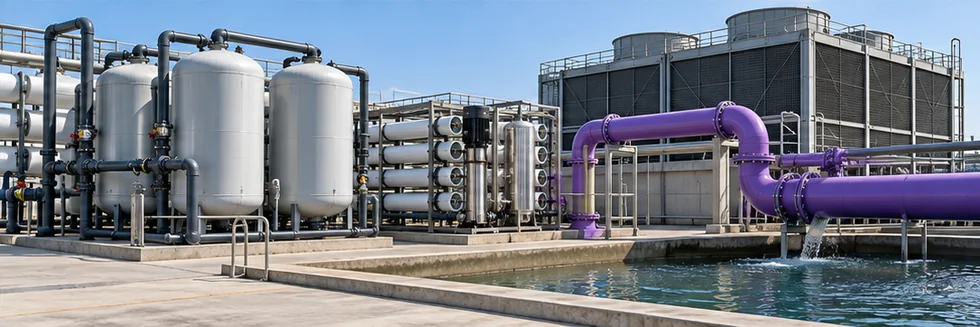
Industrial Reclaimed Water converts treated effluent into a supply suitable for specified factory uses. Reuse treatment may include filtration, disinfection, or additional conditioning. Salinity and microbial control remain important where water circulates through cooling equipment. Dual distribution keeps reclaimed water separate from potable networks, while the achievable cooling cycles depend on the chemical load carried into the system.
Key Applications & Industrial Demand
Cooling towers, selected washing operations, landscape irrigation at industrial sites, and other approved nonpotable uses can substitute reclaimed water for freshwater. High-purity manufacturing or product-contact processes may require additional treatment and cannot assume direct interchangeability with a reuse supply.
Key Factors Influencing Industrial Reclaimed Water Price Movements
- Treatment Target: Reuse treatment and microbial control requirements determine the processing needed before effluent becomes suitable for the intended industrial application.
- Dissolved Salt Load: Salinity affects achievable cooling cycles, blowdown volume, corrosion management, and the cost of supplementary conditioning.
- Dedicated Infrastructure: Dual distribution, storage, pumping distance, and backup arrangements affect the delivered cost of the reclaimed-water connection.
How to Interpret Industrial Reclaimed Water Pricing Data
Quote reclaimed water per cubic meter at the agreed delivery quality and connection point. Include additional filtration, corrosion control, pumping, and backup freshwater in the comparison. A lower intake tariff may not mean a lower cooling-water cost if salinity limits concentration cycles.
Further reading: EPA: Water Reuse
Frequently Asked Questions About Industrial reclaimed water
What drives price changes for Industrial Reclaimed Water?
Treatment requirements, effluent availability, pumping costs, and industrial reuse demand influence supply contracts. Dedicated pipelines and storage add infrastructure costs.
How do quality or specification differences affect Industrial Reclaimed Water pricing?
Salinity, suspended solids, microbial condition, and required consistency determine usable value. Cooling applications tolerate different water qualities from high-purity production processes.
Why can local Industrial Reclaimed Water prices differ from global benchmarks?
Reuse economics depend on nearby wastewater plants, industrial users, freshwater alternatives, and dedicated distribution distance. These are highly location-specific conditions.