


Understanding Import container detention Prices
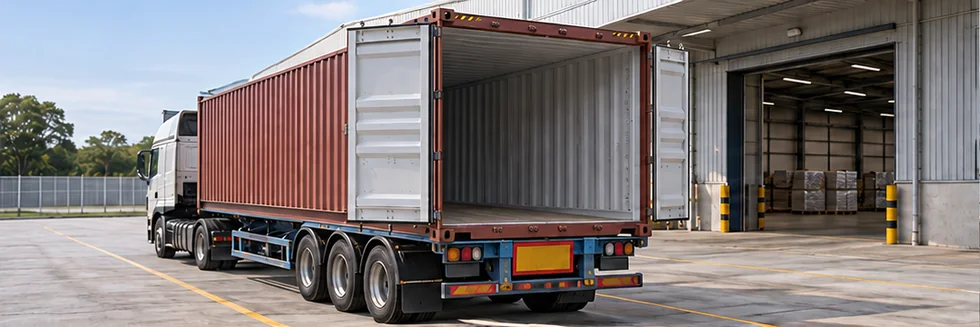
Market Overview & Supply Chain Dynamics
Import container detention concerns use of the carrier's box outside the terminal under a defined full gate-out and empty return clock. Free days, return depot, and escalation determine liability. It differs from inside-terminal demurrage, although some carriers combine both periods. Unloading the cargo does not necessarily end detention: the empty usually has to be returned and accepted at the location required by the contract.
Key Applications & Industrial Demand
Consignees, importers, forwarders, truckers, and warehouses coordinate detention exposure during delivery and unloading. Delayed unloading, closed depots, rejected returns, missing appointments, or unsuitable return locations can extend equipment use. Documented return attempts and accepted interchange events become important when reconciling a shipment's equipment timeline.
Key Factors Influencing Import Container Detention Price Movements
- Equipment-Use Clock: Full gate-out, free days, accepted empty return, calendar definitions, and the separate or combined schedule determine chargeable use.
- Return Requirements: Return depot, condition requirements, appointments, depot access, and empty acceptance influence when the detention period can actually end.
- Rate Progression: Equipment size, reefer or special status, escalation, tariff validity, and negotiated allowance determine the daily amount.
How to Interpret Import Container Detention Pricing Data
Apply detention tiers to the correct accepted booking terms and keep pickup and empty-return records. Check depot instructions before dispatching the empty. Truck waiting, repair, cleaning, repositioning, and terminal storage can be distinct charges. An unloaded container still awaiting return should not be assumed to have stopped accruing equipment-use costs.
Further reading: Hapag-Lloyd: Vietnam Import Detention Tariff
Frequently Asked Questions About Import container detention
What Drives Price Changes for Import Container Detention?
Equipment tariffs, free-day agreements, return availability, size and type, and the duration outside the terminal drive import detention.
How Do Quality or Specification Differences Affect Import Container Detention Pricing?
Return conditions, equipment category, clock events, and separate or combined schedules distinguish detention agreements.
Why Can Local Import Container Detention Prices Differ From Global Benchmarks?
Depot networks, trucking capacity, unloading practices, carrier terms, and equipment balances create local detention differences.