


Understanding I-beam steel Prices
Market Overview & Supply Chain Dynamics
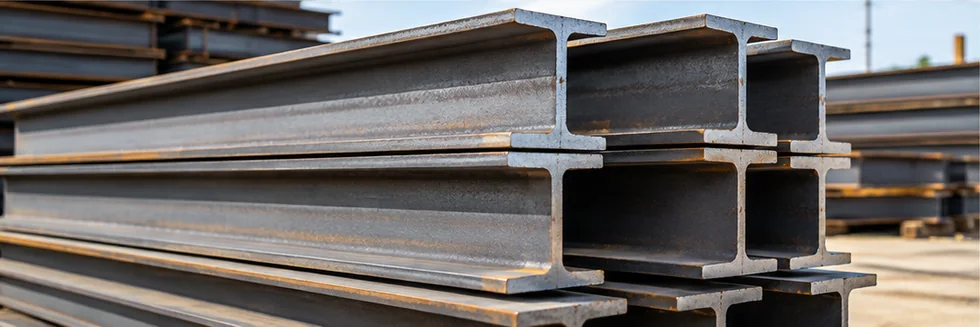
I-Beam Steel is supplied in defined section series, whose flange geometry, web depth, section properties, steel grade, and straightness determine value. Traditional tapered-flange beams and parallel-flange shapes differ in geometry and connection behavior. The word I-beam alone is therefore insufficient to identify a purchasable structural member. Mills and stockholders sell exact sizes, lengths, and certification levels.
Key Applications & Industrial Demand
Buildings, mezzanines, gantries, industrial supports, and other structures use I-shaped members selected by an engineer. Fabricators need section compatibility with plates, bolts, and adjoining members. Required bending, deflection, stability, and toughness performance govern acceptable substitutions.
Key Factors Influencing I-Beam Steel Price Movements
- Rolling Series Availability: Section-series demand, mill campaigns, and web depth influence the supply of particular sizes, especially for infrequently rolled beams.
- Structural Specification: Flange geometry, section properties, and steel grade determine the capacity represented by a purchased ton, rather than weight alone.
- Fabrication Readiness: Straightness, length, cutting, drilling, and surface treatment influence usable yield and the expense of preparing beams for erection.
How to Interpret I-Beam Steel Pricing Data
Compare tonnage or piece prices using the exact section designation and mass per meter. A lower price per piece may simply describe a lighter beam. Cutting, coating, certification, and erection are additional commercial scopes that should be identified separately.
Further reading: AISC Steel Section Dimensions and Properties
Frequently Asked Questions About I-beam steel
What Drives Price Changes for I-Beam Steel?
Steelmaking inputs, structural-project orders, rolling schedules, and stockholder inventory influence prices. Scarce sizes can cost more even when ordinary steel values decline.
How Do Quality or Specification Differences Affect I-Beam Steel Pricing?
Section series, dimensions, strength, toughness, straightness, and mill certification matter. Depth alone cannot establish whether two I-beams perform the same structural task.
Why Can Local I-Beam Steel Prices Differ From Global Benchmarks?
Long-length transport, import duties, local stock sizes, fabrication services, and delivery urgency affect cost. A locally available design-compatible section can avoid costly cutting and delay.