


Understanding High-impact polystyrene (HIPS) Prices
Market Overview & Supply Chain Dynamics
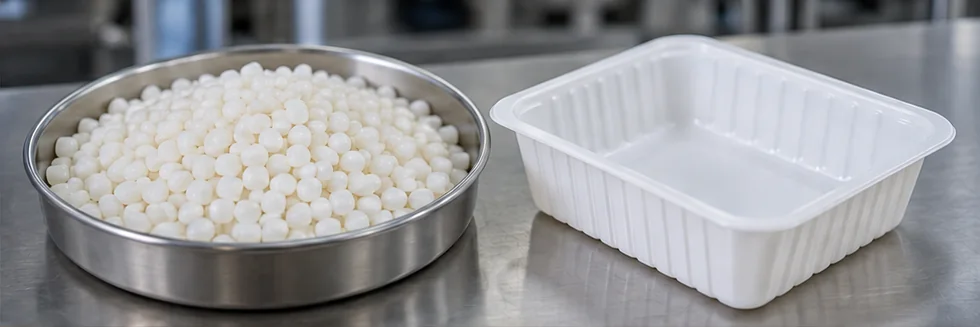
High-Impact Polystyrene (HIPS) uses rubber modification to reduce the brittleness associated with unmodified polystyrene. Opacity, gloss, melt flow, and thermoforming behavior distinguish commercial grades. Resin producers control the rubber morphology and polymer matrix, while converters select a balance of toughness and surface quality. Extrusion sheet and injection-molding pellets can therefore carry different specifications and premiums.
Key Applications & Industrial Demand
Refrigerator liners, appliance housings, display products, toys, and thermoformed packaging consume HIPS. Sheet users value drawability and resistance to cracking; molded-part customers may prioritize gloss or stiffness. Food-contact and color requirements add another layer of qualification for packaging.
Key Factors Influencing High-Impact Polystyrene (HIPS) Price Movements
- Styrene and Rubber Costs: Styrene feedstock and rubber modification costs influence production economics, while plant flexibility determines availability of particular impact-performance grades.
- Sheet Conversion Demand: Thermoforming orders from packaging and appliance manufacturers influence demand for stable sheet extrusion and resistance to cracking during forming.
- Appearance and Flow: Opacity, gloss, and melt flow determine the usable product window, restricting substitution where a converter must maintain both appearance and toughness.
How to Interpret High-Impact Polystyrene (HIPS) Pricing Data
HIPS is commonly quoted per kilogram or metric ton of pellets. Compare rubber-modified HIPS with equivalent HIPS grades, rather than crystal GPPS. Extrusion suitability, impact test method, gloss, color, and food-contact documentation explain price differences beyond styrene content.
Further reading: BASF Styrenic Polymer Resources
Frequently Asked Questions About High-impact polystyrene (HIPS)
What drives price changes for High-Impact Polystyrene (HIPS)?
Styrene costs, rubber inputs, resin operating rates, and appliance or packaging orders influence prices. Sheet and molding grades may develop different regional premiums.
How do quality or specification differences affect High-Impact Polystyrene (HIPS) pricing?
Impact strength, rubber morphology, flow, gloss, color, and approvals determine value. Greater toughness may involve trade-offs in stiffness, finish, or processing behavior.
Why can local High-Impact Polystyrene (HIPS) prices differ from global benchmarks?
Import freight, warehouse stock, local extrusion demand, duties, and approved-grade availability affect delivered prices. Colored and small-volume products include additional conversion or distribution costs.