


Understanding HDPE injection molding grade Prices
Market Overview & Supply Chain Dynamics
HDPE Injection Molding Grade is selected for melt index, density, impact strength, ESCR, and shrinkage rather than polymer identity alone. Producers tune molecular architecture and additives for rapid mold filling and durable parts. A thin-walled closure needs different flow behavior from a large waste cart, so one injection-grade price cannot represent every molding application.
Key Applications & Industrial Demand
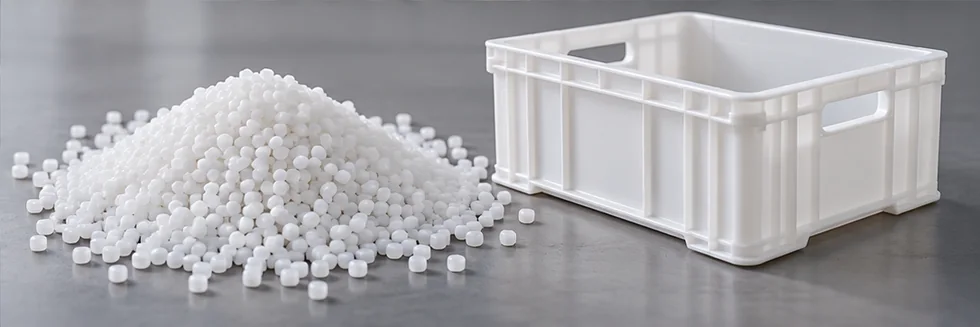
Caps, pails, crates, housewares, and industrial containers consume injection HDPE. Converters balance cycle time, dimensional consistency, toughness, and surface finish. Food-contact status, ultraviolet stabilization, and chemical exposure can add requirements beyond those of a general household article.
Key Factors Influencing HDPE Injection Molding Grade Price Movements
- Flow and Cycle Time: Melt index affects mold filling and attainable cycle times; converters may pay for a grade that reduces short shots or processing instability.
- Durability Balance: Density, impact strength, and ESCR determine whether thin or heavily loaded articles survive use without excessive material consumption or premature cracking.
- Molding Consistency: Shrinkage, additive package, pellet uniformity, and approved application status influence scrap rates and the willingness of a converter to change grades.
How to Interpret HDPE Injection Molding Grade Pricing Data
Resin offers commonly use kilograms or metric tons. Compare the specified melt index and density at the same test conditions, with virgin or recycled content declared. Bagged small lots, silo deliveries, color compounds, and approved food-contact grades have distinct cost structures.
Further reading: ExxonMobil HDPE Injection-Molding Product Guide
Frequently Asked Questions About HDPE injection molding grade
What drives price changes for HDPE Injection Molding Grade?
Ethylene costs, resin-plant utilization, packaging orders, and regional inventory influence prices. Specific high-flow or stabilized grades can tighten independently of broad HDPE supply.
How do quality or specification differences affect HDPE Injection Molding Grade pricing?
Melt index, density, toughness, ESCR, additive content, and approvals distinguish grades. A cheap substitute may increase wall thickness, cycle time, or reject rates.
Why can local HDPE Injection Molding Grade prices differ from global benchmarks?
Import freight, warehouse stocks, bagging, duties, and converter qualification affect local offers. Small approved lots often cost more than bulk export resin.