


Understanding Grade B office rent Prices
Market Overview & Supply Chain Dynamics
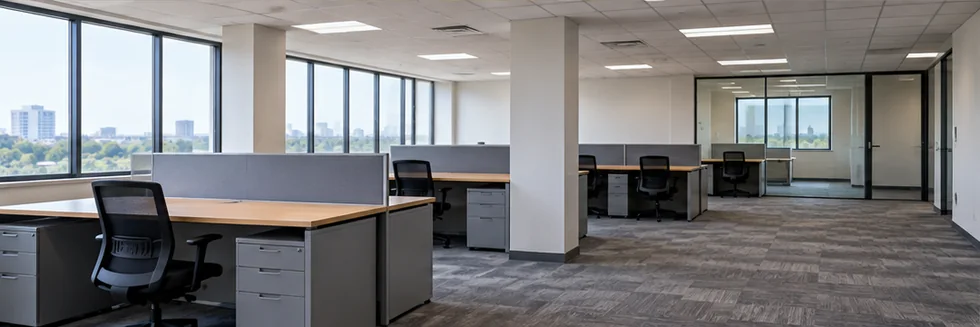
Grade B office rent reflects local grading rather than a universal building specification. Floor efficiency, building age, operating charges, maintenance, and lease incentive define the real offer. Older offices may provide adequate business space with different finishes, services, or layouts from newer premium buildings. An upgraded property can also differ materially from an unrefurbished peer, so the grade alone cannot establish suitability or total occupancy cost.
Key Applications & Industrial Demand
Small and medium businesses, professional offices, back-office operations, and budget-conscious corporate teams lease Grade B premises around accessibility, layout, and required services. Demand responds to local business activity and cost pressures. Existing fit-out, flexible floor sizes, and transport connections can make a specific building competitive within its district.
Key Factors Influencing Grade B Office Rent Price Movements
- Usable Layout: Floor efficiency, columns, natural light, partitioning, access, and measured area determine practical office capacity.
- Building Condition: Building age, refurbishment, lifts, climate control, maintenance, and basic services influence suitability and operating exposure.
- Full Lease Cost: Operating charges, lease incentive, term, rent reviews, fit-out work, and restoration requirements determine effective occupancy economics.
How to Interpret Grade B Office Rent Pricing Data
Normalize rent by the same measurement basis and month or year convention. Include operating costs, taxes, utilities, fit-out, deposits, and any concessions. Compare actual building services and condition, not only Grade B labels. A lower base rent may require greater interior investment or provide less usable space per charged square meter.
Further reading: Hong Kong Rating and Valuation Department: Office Statistics
Frequently Asked Questions About Grade B office rent
What Drives Price Changes for Grade B Office Rent?
Local business demand, vacancy, building condition, competing space, lease expiries, and incentives influence Grade B rents.
How Do Quality or Specification Differences Affect Grade B Office Rent Pricing?
Maintenance, layout, services, access, fit-out, and local classification distinguish buildings within the same Grade B category.
Why Can Local Grade B Office Rent Prices Differ From Global Benchmarks?
District demand, transport, supply, local grading, charges, and renovation costs create differences between office markets.