


Understanding Gasoline motorcycle Prices
Market Overview & Supply Chain Dynamics
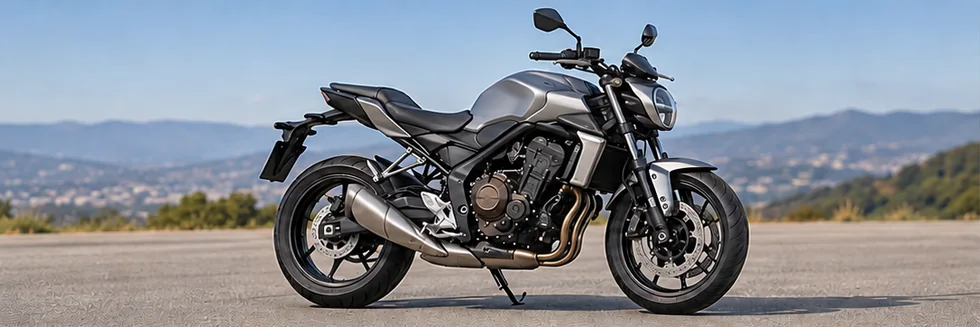
A gasoline motorcycle combines an engine, frame, transmission, suspension, wheels, brakes, and fuel equipment. Engine displacement, curb weight, braking system, and fuel injection distinguish road-going configurations. A commuter scooter and a sport motorcycle with similar displacement may require very different engineering and equipment. Manufacturing cost also depends on chassis construction, suspension, electronic controls, finish, and testing for the intended market.
Key Applications & Industrial Demand
Commuters, delivery riders, recreational users, and rental fleets purchase motorcycles for different distances and road conditions. Demand responds to household budgets, financing, urban mobility, fuel use, and replacement needs. Commercial riders may value reliability and parts access more highly than peak output or styling.
Key Factors Influencing Gasoline Motorcycle Price Movements
- Engine and Driveline: Engine displacement, cooling, fuel injection, transmission, and emissions equipment determine performance characteristics and powertrain complexity.
- Chassis and Brakes: Curb weight, suspension, braking system, tire specification, and rider electronics differentiate commuter, touring, and performance models.
- Dealer and Model Cycle: Model-year inventory, financing, promotions, accessory bundles, and local spare-part networks influence the purchase price and ownership package.
How to Interpret Gasoline Motorcycle Pricing Data
Compare prices per road-ready vehicle, including registration and mandatory charges where quoted. Identify the precise model, engine variant, brake equipment, warranty, and included accessories. A financing installment or trade-in promotion should be separated from the underlying cash price and the cost of insurance and maintenance.
Further reading: Honda: Motorcycle Model Specifications
Frequently Asked Questions About Gasoline motorcycle
What Drives Price Changes for Gasoline Motorcycle?
Model supply, engine class, financing, exchange rates, dealer promotions, and commuter demand influence gasoline motorcycle prices.
How Do Quality or Specification Differences Affect Gasoline Motorcycle Pricing?
Powertrain, braking, suspension, electronics, manufacturing finish, and warranty separate motorcycles with similar engine displacement.
Why Can Local Gasoline Motorcycle Prices Differ From Global Benchmarks?
Import duties, registration, local emissions configuration, dealer preparation, accessories, and service coverage create geographic price differences.