


Understanding Frozen squid Prices
Market Overview & Supply Chain Dynamics
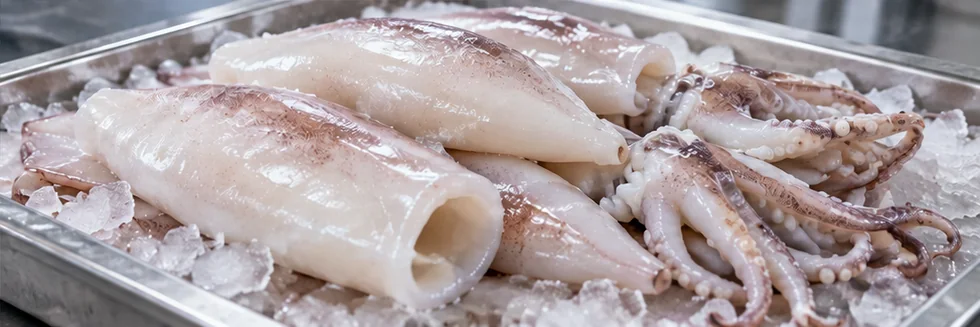
Frozen Squid is traded as whole animals, cleaned tubes, tubes and tentacles, rings, or other preparations. Mantle size and cleaning yield define recovery, while tentacle inclusion and skin-on status determine what the customer receives. Glaze protects frozen material but must remain separate from net squid weight. Species also influences texture and the appropriate processing outlet.
Key Applications & Industrial Demand
Restaurants, calamari producers, breaded-seafood plants, and retail packs use different squid forms. A cleaned tube saves preparation labor, while whole squid can suit buyers able to recover and market several parts.
Key Factors Influencing Frozen Squid Price Movements
- Species and Body Size: Fishing supply, species, mantle size, and season determine the raw material suitable for rings or premium tubes.
- Preparation Recovery: Cleaning yield, tentacle inclusion, skin-on status, cutting labor, and breakage influence saleable output.
- Frozen Delivery: Glaze, moisture treatment, storage, carton format, cold freight, and foodservice orders affect delivered costs.
How to Interpret Frozen Squid Pricing Data
Compare currency per kilogram with species, size, cleaning, skin, tentacles, treatment, and glaze stated. Whole frozen squid and cleaned rings have different yields. Use net seafood and expected cooking recovery to evaluate an ingredient purchase.
Further reading: EUMOFA: Squid Species Profiles
Frequently Asked Questions About Frozen squid
What drives price changes for Frozen Squid?
Catches, species and size mix, cleaning yields, processing costs, and restaurant or manufactured-seafood demand influence prices.
How do quality or specification differences affect Frozen Squid pricing?
Species, size, whole or cleaned form, skin, tentacles, treatment, glaze, and texture distinguish offers.
Why can local Frozen Squid prices differ from global benchmarks?
Cleaning, cutting, freezing, freight, import costs, local species preferences, and foodservice preparation requirements add premiums.