


Understanding Frozen chicken breast Prices
Market Overview & Supply Chain Dynamics
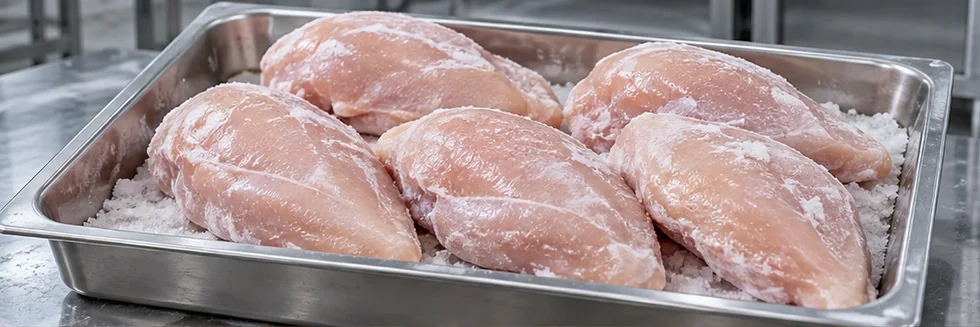
Frozen Chicken Breast may be bone-in or boneless skinless and sold as whole fillets, portions, or blocks. Fillet size supports portion consistency. IQF facilitates separation, while added solution and thaw purge influence the meat recovered after defrosting. These distinctions can create large value differences within a product family often described simply as frozen breast.
Key Applications & Industrial Demand
Prepared-food plants, catering, restaurants, and retail freezers use breast for consistent lean portions. Manufacturers may prefer a specified fillet range or diced material, while consumer packs add convenience and branding costs.
Key Factors Influencing Frozen Chicken Breast Price Movements
- Fillet Recovery: Boneless skinless preparation and fillet size influence labor, portion yield, and the grade mix recovered from processed birds.
- Freezing and Composition: IQF, added solution, thaw purge, and packaging affect handling convenience and usable meat after defrosting.
- Lean-Meat Demand: Foodservice orders, prepared-food output, broiler production, frozen stocks, and refrigerated freight influence breast prices.
How to Interpret Frozen Chicken Breast Pricing Data
Compare currency per kilogram for net chicken weight, cut, skin, bone, treatment, and freezing format. Check whether marinade or retained processing water changes composition. Use thawed and cooked recovery when comparing ingredient cost for a production line.
Further reading: USDA FSIS: Moisture in Meat and Poultry
Frequently Asked Questions About Frozen chicken breast
What drives price changes for Frozen Chicken Breast?
Broiler output, breast-meat demand, deboning labor, freezer inventory, and import logistics influence prices.
How do quality or specification differences affect Frozen Chicken Breast pricing?
Bone and skin status, fillet size, added ingredients, freezing format, defects, and thaw yield distinguish breast products.
Why can local Frozen Chicken Breast prices differ from global benchmarks?
Deboning, portioning, freezing, cold storage, import conditions, packing, and local foodservice specifications add regional costs.