


Understanding Food-grade rPET pellets Prices
Market Overview & Supply Chain Dynamics
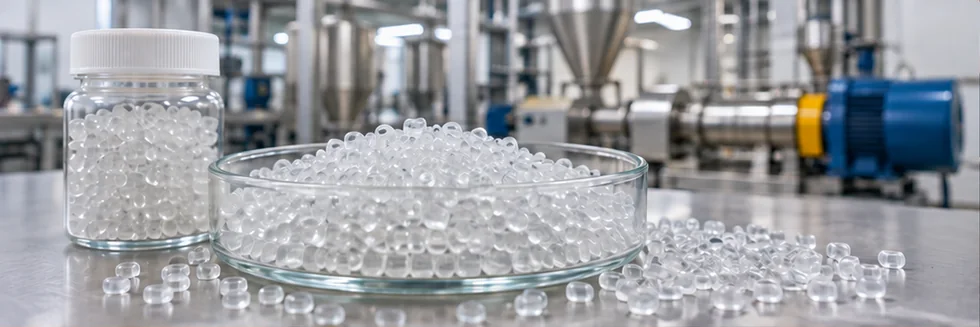
Food-Grade rPET Pellets are recycled polyester subjected to sorting, cleaning, melt processing, and decontamination appropriate to the intended use. Intrinsic viscosity, color, traceability, and food-contact suitability determine acceptance. Qualification applies to a defined recycling process and use conditions, rather than every pellet carrying a recycled label. Bottle collection quality and the ability to maintain controlled input streams are therefore central to supply.
Key Applications & Industrial Demand
Beverage bottles, food containers, and other qualified packaging applications consume suitable rPET pellets. Brand specifications may add requirements for recycled content, tint, odor, and documentation. Non-food recycled PET can serve different outlets and should not automatically replace a qualified food-contact grade.
Key Factors Influencing Food-Grade rPET Pellets Price Movements
- Bottle Feedstock Quality: Clear-bottle collection, sorting accuracy, and contamination determine recovery yield and the cost of producing consistent feedstock for qualified pellets.
- Process Qualification: Decontamination, food-contact suitability, and traceability can constrain usable supply even when ordinary recycled PET is plentiful.
- Packaging Performance: Intrinsic viscosity and color affect preform processing, bottle performance, and visual acceptance, creating premiums for consistent low-tint material.
How to Interpret Food-Grade rPET Pellets Pricing Data
Pellets commonly trade per kilogram or metric ton. Compare IV, color, contamination limits, recycled-content documentation, and permitted use conditions. A washed-flake quote excludes pelletizing and decontamination value, while a virgin-PET benchmark does not capture collection and qualification costs.
Further reading: FDA Recycled Plastics in Food Packaging
Frequently Asked Questions About Food-grade rPET pellets
What drives price changes for Food-Grade rPET Pellets?
Bottle collection costs, recycling yield, energy, packaging demand, and qualified capacity influence prices. Brand commitments can support demand independently of virgin-resin softness.
How do quality or specification differences affect Food-Grade rPET Pellets pricing?
IV, tint, contaminants, odor, traceability, and process-specific food-contact suitability matter. The words food grade do not replace documentation for the intended application.
Why can local Food-Grade rPET Pellets prices differ from global benchmarks?
Collection systems, sorting costs, qualified recycling capacity, freight, duties, and local packaging commitments affect prices. Regional approval and documentation requirements can limit imports.