


Understanding Fly ash Prices
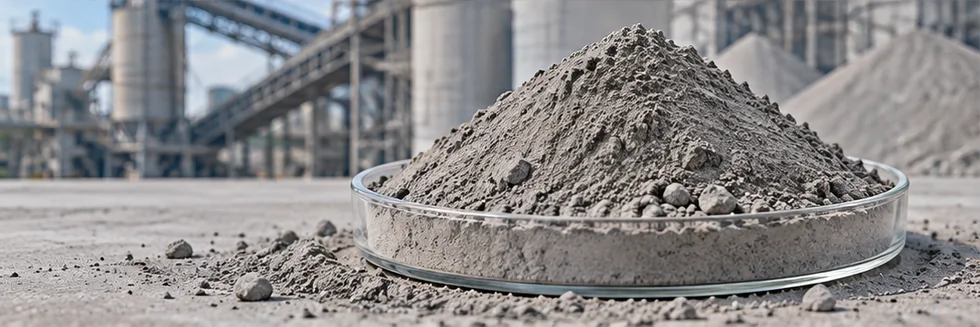
Market Overview & Supply Chain Dynamics
Fly Ash is collected from combustion exhaust, then classified or beneficiated for a stated construction role. Pozzolanic reaction, loss on ignition, fineness, and chemical classification determine suitability. Beneficiation and storage control can turn variable ash into a consistent cementitious input. Not every collected ash is acceptable in concrete, and source changes can alter chemistry and performance even when the material looks similar.
Key Applications & Industrial Demand
Qualified concrete and cement producers use suitable fly ash to modify binder performance and reduce reliance on clinker. Other construction uses have different requirements. Mix design, early-age strength, curing, air control, and compatibility with admixtures influence how much ash a customer can use.
Key Factors Influencing Fly Ash Price Movements
- Qualified Ash Supply: Combustion output, collection systems, beneficiation capacity, storage, and changes in generating facilities influence the amount of acceptable ash reaching concrete markets.
- Performance Chemistry: Pozzolanic reaction, chemical classification, fineness, and consistency determine binder performance and whether a source can satisfy the applicable specification.
- Carbon and Handling: Loss on ignition, moisture, silo logistics, and transport affect quality control, admixture behavior, and the cost of delivering dry usable material.
How to Interpret Fly Ash Pricing Data
Fly ash is commonly priced per dry metric ton delivered in bulk or bags. Compare approved classification, fineness, LOI, moisture, and certification. A free collection-site material is not equivalent to tested, dried, and reliably delivered concrete-grade ash.
Further reading: NRMCA Concrete Materials and Practice
Frequently Asked Questions About Fly ash
What Drives Price Changes for Fly Ash?
Qualified source output, beneficiation, cement prices, concrete demand, and freight influence values. Declining local collection can tighten supply even where unqualified ash remains abundant.
How Do Quality or Specification Differences Affect Fly Ash Pricing?
Chemistry, fineness, LOI, moisture, consistency, and performance tests matter. A source change may require concrete trials because admixture demand and strength development can differ.
Why Can Local Fly Ash Prices Differ From Global Benchmarks?
Silo access, drying, testing, transport, source distance, and batching-plant demand affect prices. Heavy bulk delivery can outweigh a low collection-site value.