


Understanding Fluff pulp Prices
Market Overview & Supply Chain Dynamics
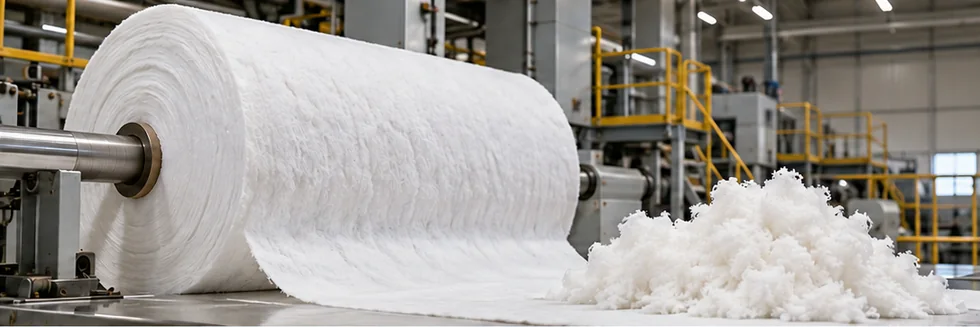
Fluff Pulp is engineered for defiberization rather than ordinary paper-sheet formation. Absorbency, knot content, bulk, and sheet moisture govern its performance in an absorbent core. Producers control fiber preparation, treatment, sheet drying, and roll quality to support converting. A low purchase price can become expensive if hammermilling produces excessive knots, dust, or poor fiber distribution.
Key Applications & Industrial Demand
Diapers, adult incontinence products, feminine-care products, absorbent pads, and airlaid materials use qualified fluff pulp. Converters combine fibers with other components according to product design. Qualification focuses on liquid handling, core structure, cleanliness, and reliable high-speed processing.
Key Factors Influencing Fluff Pulp Price Movements
- Qualified Fiber Supply: Wood-fiber quality, pulping capacity, treatment, drying energy, and mill utilization influence the supply of suitable absorbent pulp.
- Core Performance: Absorbency, bulk, knot content, and cleanliness determine core quality and the amount of acceptable absorbent structure produced.
- Conversion Efficiency: Defiberization energy, sheet moisture, roll consistency, dust, and converter speed affect usable-pulp cost beyond the delivered ton price.
How to Interpret Fluff Pulp Pricing Data
Fluff pulp often trades per air-dry ton in reels or other specified forms. Compare treatment, absorbency, knots, moisture, roll dimensions, and dry-content basis. Ordinary paper pulp is a different input unless it can meet the converter's absorbent and milling requirements.
Further reading: International Paper Absorbent Cellulose Product Information
Frequently Asked Questions About Fluff pulp
What Drives Price Changes for Fluff Pulp?
Pulp feedstocks, specialist mill capacity, energy, hygiene-product orders, and freight influence prices. Qualified fluff supply may diverge from broad printing-paper pulp conditions.
How Do Quality or Specification Differences Affect Fluff Pulp Pricing?
Defiberization, knots, absorbency, bulk, cleanliness, moisture, and treatment matter. A ton of pulp that mills poorly can deliver less usable absorbent core.
Why Can Local Fluff Pulp Prices Differ From Global Benchmarks?
Specialist imports, freight, duties, roll handling, approved stocks, and hygiene-converter location affect prices. Reliable qualified supply can reduce milling losses and production interruptions.