


Understanding Fish oil for animal feed Prices
Market Overview & Supply Chain Dynamics
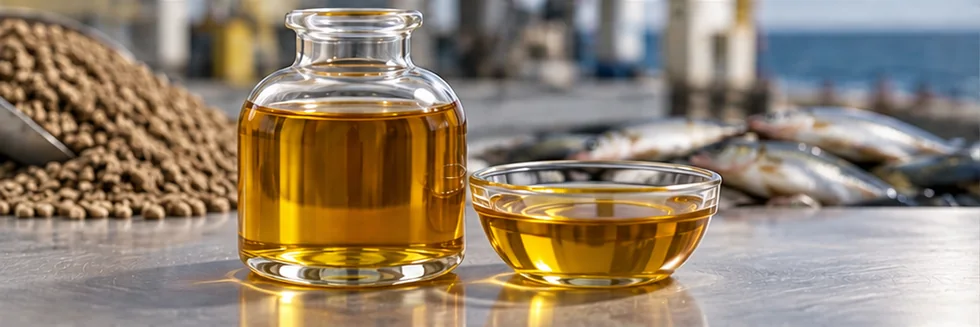
Fish Oil for Animal Feed is valued for fat and its EPA and DHA profile rather than volume alone. Species and origin influence composition, while free fatty acids and oxidation describe condition. Antioxidant treatment and suitable storage protect the oil after production. Feed oil, refined human-consumption oil, and standardized omega-3 concentrates are separate commercial products.
Key Applications & Industrial Demand
Aquaculture feeds and selected livestock diets use fish oil according to energy and fatty-acid needs. Formulators balance nutritional requirements with alternative oils, while preserving the desired long-chain omega-3 profile of the ration.
Key Factors Influencing Fish Oil for Animal Feed Price Movements
- Nutritional Composition: EPA and DHA, species and origin, and overall fatty-acid profile determine formulation value and substitution possibilities.
- Oil Condition: Oxidation, free fatty acids, antioxidant protection, moisture, and storage affect acceptance and remaining stability.
- Marine Supply and Feed Demand: Fishing output, processing recovery, aquaculture production, alternative oils, tank freight, and inventories influence available feed-oil supply.
How to Interpret Fish Oil for Animal Feed Pricing Data
Compare currency per metric ton with fatty acids, oxidation limits, acidity, moisture, stabilization, and feed qualification. Retain delivery and tank conditions. A cheaper oil with a weaker target fatty-acid profile may not reduce cost in the completed feed.
Further reading: FAO: Fishery Processing and Product Quality
Frequently Asked Questions About Fish oil for animal feed
What drives price changes for Fish Oil for Animal Feed?
Raw-fish availability, oil recovery, omega-3 composition, aquaculture demand, alternative oils, and storage conditions influence prices.
How do quality or specification differences affect Fish Oil for Animal Feed pricing?
EPA and DHA, acidity, oxidation, moisture, contaminants, stabilization, and origin distinguish feed-oil quality.
Why can local Fish Oil for Animal Feed prices differ from global benchmarks?
Tank transport, testing, stabilization, storage, import access, and local feed formulation requirements create regional premiums.