


Understanding Fired clay bricks Prices
Market Overview & Supply Chain Dynamics
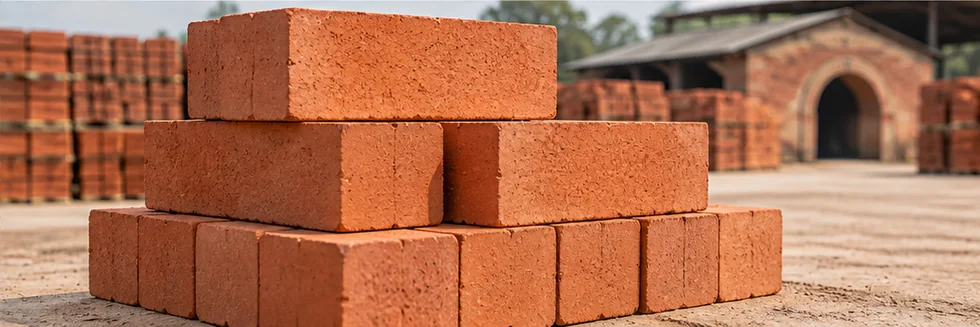
Fired Clay Bricks are shaped, dried, and hardened through kiln firing. Compressive strength, water absorption, dimensions, and void ratio define the product sold to a builder. Solid and perforated units use different material amounts and can serve different roles. Clay quality, drying control, firing energy, and breakage determine how much factory output becomes accepted saleable masonry.
Key Applications & Industrial Demand
Walls, partitions, facades, landscaping, and selected structural masonry use bricks approved for the intended role. Visible facework needs appearance consistency beyond ordinary backing units. Design, mortar, exposure, and construction practice determine suitability rather than the word brick alone.
Key Factors Influencing Fired Clay Bricks Price Movements
- Clay and Kiln Economics: Clay preparation, drying, kiln firing fuel, plant efficiency, and breakage influence the manufacturing cost of accepted units.
- Masonry Performance: Compressive strength, water absorption, dimensions, and void ratio affect acceptance, mortar demand, handling, and the amount of masonry produced from each delivery.
- Appearance and Delivery: Color, surface defects, batch consistency, palletization, and transit damage create distinct costs for face bricks and general construction units.
How to Interpret Fired Clay Bricks Pricing Data
Brick prices may be per unit, thousand pieces, or pallet. Align dimensions, solid or perforated form, strength, absorption, and delivered breakage policy. A cheaper small brick can require more units and mortar per square meter of completed wall.
Further reading: Brick Industry Association Technical Resources
Frequently Asked Questions About Fired clay bricks
What Drives Price Changes for Fired Clay Bricks?
Kiln fuel, clay access, labor, factory utilization, construction demand, and truck freight influence prices. Face-quality production can have different yield constraints from ordinary building bricks.
How Do Quality or Specification Differences Affect Fired Clay Bricks Pricing?
Strength, absorption, dimensions, warpage, cracks, void ratio, and appearance matter. Consistent unit size can reduce laying effort and mortar consumption even at a higher purchase price.
Why Can Local Fired Clay Bricks Prices Differ From Global Benchmarks?
Heavy freight, plant distance, local clay quality, fuel, pallet handling, breakage, and building demand affect prices. Finished wall area is a better cost comparison than piece price alone.