


Understanding Feed wheat Prices
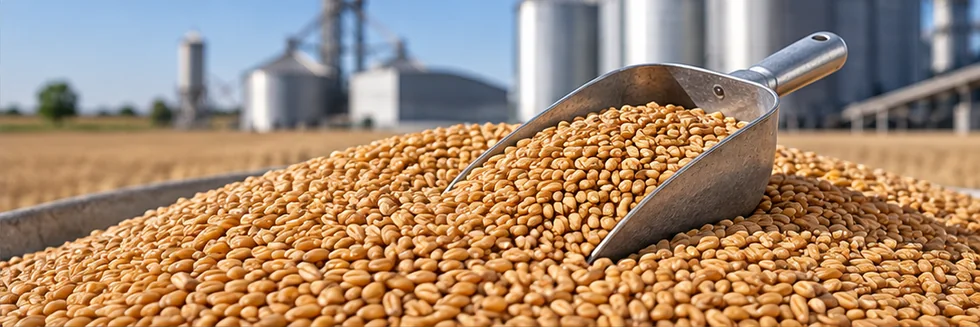
Market Overview & Supply Chain Dynamics
Feed Wheat is valued for feed energy and protein contribution in livestock rations. It may come from dedicated production or sound grain that does not meet a particular milling specification. Mycotoxin testing and a moisture limit remain important: feed use does not make spoiled or contaminated grain acceptable. Substitution value links wheat procurement with competing energy ingredients.
Key Applications & Industrial Demand
Compound-feed mills and livestock operations use wheat according to species, processing capability, and formulation constraints. Relative corn or barley prices can change wheat inclusion, while grain handling and grinding influence the delivered ration cost.
Key Factors Influencing Feed Wheat Price Movements
- Nutrient Economics: Feed energy, protein contribution, and substitution value determine how much a mill will pay relative to corn or barley.
- Safe Storage Quality: Mycotoxin testing, moisture limit, damaged kernels, and storage condition influence acceptance and usable feed value.
- Regional Feeding Demand: Livestock numbers, feed-mill location, competing grain availability, and freight determine the local wheat-to-feed basis.
How to Interpret Feed Wheat Pricing Data
Assess currency per metric ton with moisture, test weight, contaminants, and delivery specified. Compare nutrient value against alternative feed cereals rather than assuming a fixed discount to bread wheat. A low-quality milling lot still needs feed-suitability assessment.
Further reading: AHDB: Wheat Quality and Feed Uses
Frequently Asked Questions About Feed wheat
What drives price changes for Feed Wheat?
Cereal harvests, livestock feeding demand, corn and barley values, grain quality, and freight influence feed-wheat procurement.
How do quality or specification differences affect Feed Wheat pricing?
Moisture, energy and protein estimates, test weight, damage, and mycotoxin status determine usable ration value and whether grain is accepted.
Why can local Feed Wheat prices differ from global benchmarks?
Nearby feed demand, milling-grade downgrades, inland transport, competing cereals, and local storage capacity create regional prices.