


Understanding Export container detention Prices
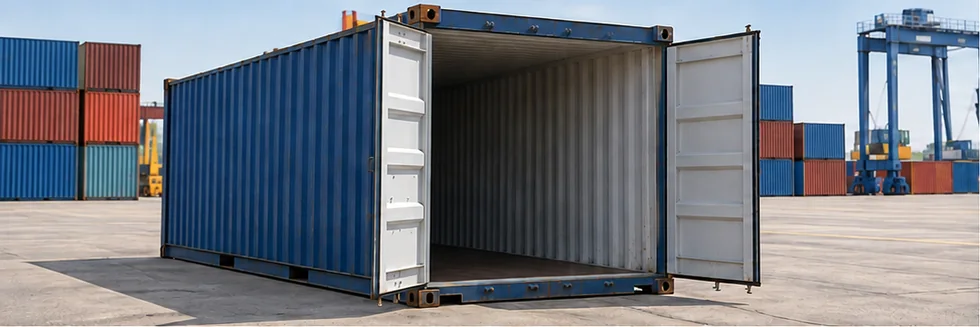
Market Overview & Supply Chain Dynamics
Export container detention follows empty pickup, loaded return, free allowance, and the accepted equipment-use terms. Booking cutoff and combined D&D treatment determine how the outside-terminal period relates to sailing. The charge concerns the carrier's equipment, not the value of the exported goods. Packing delays, changed production, failed gate attempts, and altered sailing plans can extend use even before a loaded box reaches the terminal.
Key Applications & Industrial Demand
Exporters, packers, forwarders, and truckers coordinate empty collection, stuffing, customs, and full return. Demand for equipment follows cargo schedules, but early pickup can consume allowance before packing begins. A realistic plan should account for factory readiness, empty-box condition, terminal receiving, and the agreed return location.
Key Factors Influencing Export Container Detention Price Movements
- Pickup-to-Return Period: Empty pickup, loaded return, free allowance, calendar rules, and accepted interchange events establish the detention clock.
- Booking Conditions: Booking cutoff, equipment type, size, contract validity, rate tiers, and combined D&D terms determine the applicable charging arrangement.
- Packing and Gate Coordination: Production readiness, stuffing time, empty condition, terminal access, gate rejection, and sailing changes influence equipment time outside the terminal.
How to Interpret Export Container Detention Pricing Data
Use export detention conditions for the specific booking and preserve empty and loaded interchange records. Identify whether the arrangement ends at full gate-in or combines time through vessel loading. Trucking, cleaning, repairs, storage, and reefer power can be separate. A free-day count without its start and end events cannot predict the bill.
Further reading: Hapag-Lloyd: Vietnam Export Detention Tariff
Frequently Asked Questions About Export container detention
What Drives Price Changes for Export Container Detention?
Empty-equipment tariffs, allowances, packing delays, terminal access, equipment category, and booking changes drive export detention costs.
How Do Quality or Specification Differences Affect Export Container Detention Pricing?
Clock events, return requirements, equipment class, and combined charging determine the applicable equipment-use conditions.
Why Can Local Export Container Detention Prices Differ From Global Benchmarks?
Factory distances, empty depots, terminal access, production schedules, carrier contracts, and equipment availability create local differences.