


Understanding Electrolytic hydrogen Prices
Market Overview & Supply Chain Dynamics
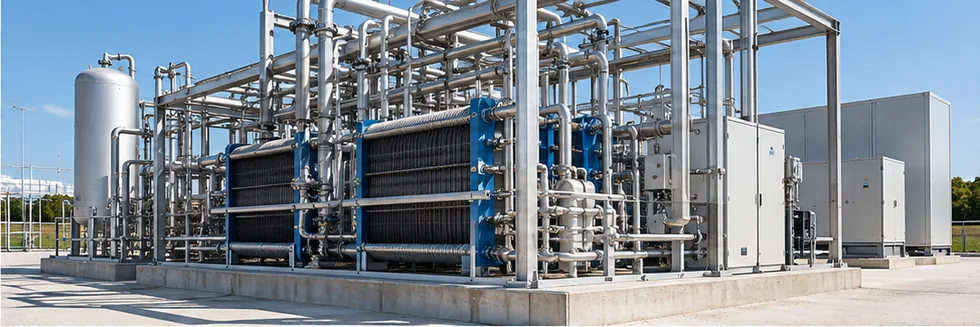
Electrolytic Hydrogen is produced by electrical water splitting. Electrolyzer efficiency and capacity factor determine how electricity and capital costs are distributed across output. Water purification and compression add processing requirements, while electricity emissions shape lifecycle carbon performance. Electrolysis describes a production method; it does not automatically establish that the resulting hydrogen meets a particular low-carbon eligibility rule.
Key Applications & Industrial Demand
Refining, ammonia and chemical production, industrial trials, mobility, and energy-storage projects can use electrolytic hydrogen when purity, pressure, and supply economics fit. Buyers often need dependable delivery rather than merely a quoted production-gate cost.
Key Factors Influencing Electrolytic Hydrogen Price Movements
- Electricity and Utilization: Electrolyzer efficiency, power price, and capacity factor determine how much energy and equipment cost must be recovered per kilogram.
- Processing Requirements: Water purification, drying, purity control, and compression influence the usable product and delivery equipment required.
- Carbon and Delivery Terms: Electricity emissions, verified attributes, storage, and customer access determine whether the hydrogen suits the intended industrial or fuel market.
How to Interpret Electrolytic Hydrogen Pricing Data
Hydrogen offers commonly use currency per kilogram. State purity, delivery pressure, production or delivery boundary, and carbon documentation. Compression, storage, trailers, pipelines, and dispensing can add substantial costs beyond hydrogen leaving an electrolyzer.
Further reading: DOE: Hydrogen Fuel Basics
Frequently Asked Questions About Electrolytic hydrogen
What drives price changes for Electrolytic Hydrogen?
Electricity cost, electrolyzer utilization, equipment investment, compression, and contracted industrial demand drive hydrogen-production and delivery economics.
How do quality or specification differences affect Electrolytic Hydrogen pricing?
Purity, pressure, moisture limits, carbon attributes, and delivery reliability distinguish offers. A production-gate kilogram is not a dispensed-fuel kilogram.
Why can local Electrolytic Hydrogen prices differ from global benchmarks?
Electricity markets, utilization, water treatment, infrastructure, and delivery distance differ by project. Hydrogen transport and storage add location-specific costs.