


Understanding E10 gasoline Prices
Market Overview & Supply Chain Dynamics
E10 Gasoline combines a hydrocarbon base with an ethanol blend designated by local fuel rules. Ethanol contributes octane but changes energy density and water affinity, making storage and handling part of the finished-fuel economics. A blend terminal must supply a compliant recipe; the E10 label does not by itself identify the octane rating or all other quality requirements.
Key Applications & Industrial Demand
Compatible road vehicles consume E10 through normal gasoline distribution. Refiners and terminal operators procure gasoline base and ethanol separately in many supply chains, linking the fuel market with ethanol production, transport, and applicable blending programs.
Key Factors Influencing E10 Gasoline Price Movements
- Blend Components: Gasoline-base prices and ethanol blend costs jointly determine the finished recipe, while octane rating requirements affect component selection.
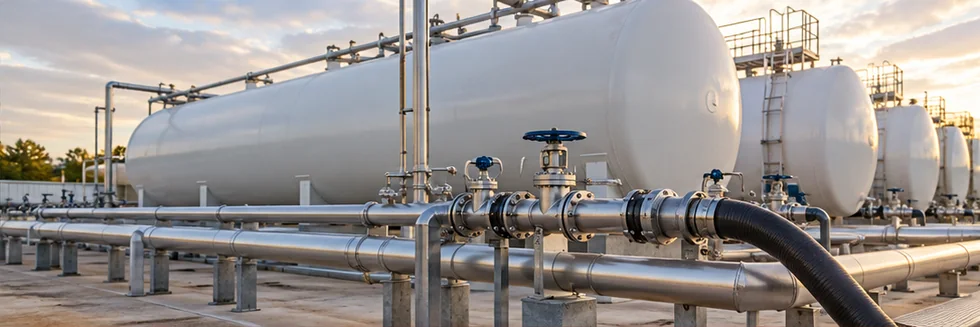
- Storage and Distribution: Water affinity, dedicated handling, and blend terminal availability influence the cost of supplying a stable finished product.
- Fuel Use Economics: Energy density and vehicle consumption affect cost per distance, while taxes and blending policy shape the displayed pump price.
How to Interpret E10 Gasoline Pricing Data
Compare local-currency prices per liter for the same finished octane grade. A wholesale gasoline quotation excluding ethanol, tax, and blending fees is not an E10 pump price. Fuel-cost comparisons per distance also depend on vehicle efficiency and energy content.
Further reading: DOE: Ethanol Fuel Basics
Frequently Asked Questions About E10 gasoline
What drives price changes for E10 Gasoline?
Gasoline and ethanol input costs, blending logistics, tax treatment, and road-fuel demand influence the finished retail fuel price.
How do quality or specification differences affect E10 Gasoline pricing?
Octane grade, ethanol proportion, sulfur, and volatility specifications matter. E10 describes a blend designation rather than one universal finished-fuel quality.
Why can local E10 Gasoline prices differ from global benchmarks?
Local ethanol procurement, blending infrastructure, excise taxes, distribution costs, and retail pricing rules create regional differences.