


Understanding Dry construction mortar Prices
Market Overview & Supply Chain Dynamics
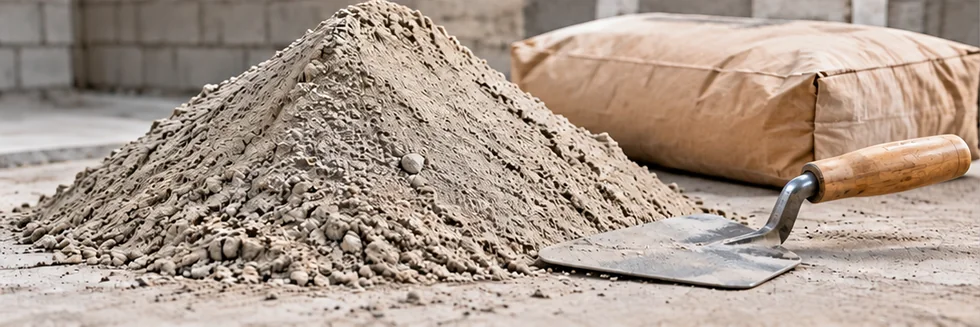
Dry Construction Mortar is a factory blend whose binder content, graded sand, water retention, adhesion, and open time suit a particular task. Mixing and packaging aim to deliver consistent performance after water is added on site. Masonry, plaster, repair, and tile-related mortars use different formulations. The dry-mortar label therefore does not define one universally interchangeable bag of cement and sand.
Key Applications & Industrial Demand
Builders use specified mortars for laying units, rendering, repairs, flooring, and other work. Substrate, application thickness, weather, and required finish affect selection. Factory blends can reduce site batching variation, but only when mixed and applied according to the intended system.
Key Factors Influencing Dry Construction Mortar Price Movements
- Formulation Inputs: Binder content, graded sand, polymers, cellulose ethers, and other additives determine the cost and functionality of a dry blend.
- Application Performance: Water retention, adhesion, open time, strength, and shrinkage influence labor productivity and whether a mortar meets its intended construction role.
- Dry Distribution: Bagging, moisture protection, shelf life, freight, and local construction demand influence delivered prices and the risk of unusable aged material.
How to Interpret Dry Construction Mortar Pricing Data
Mortar may be priced per bag or ton, but compare dry yield, coverage, thickness, and application grade. A cheaper bag can require more material per square meter. Installation labor, primer, reinforcing accessories, and substrate preparation are separate parts of system cost.
Further reading: American Cement Association: Cement and Concrete Materials
Frequently Asked Questions About Dry construction mortar
What Drives Price Changes for Dry Construction Mortar?
Cement, graded sand, specialty additives, energy, packaging, and building activity influence prices. Polymer-modified or repair formulations can have a different cost base from masonry mortar.
How Do Quality or Specification Differences Affect Dry Construction Mortar Pricing?
Strength, adhesion, water retention, open time, shrinkage, grain size, and storage condition matter. Bags designed for different tasks should not be compared solely by weight.
Why Can Local Dry Construction Mortar Prices Differ From Global Benchmarks?
Local mixing capacity, sand supply, dry storage, transport, distributor margins, and site requirements affect prices. Bulky bag delivery and moisture protection add costs beyond ingredients.