


Understanding Dried ginger Prices
Market Overview & Supply Chain Dynamics
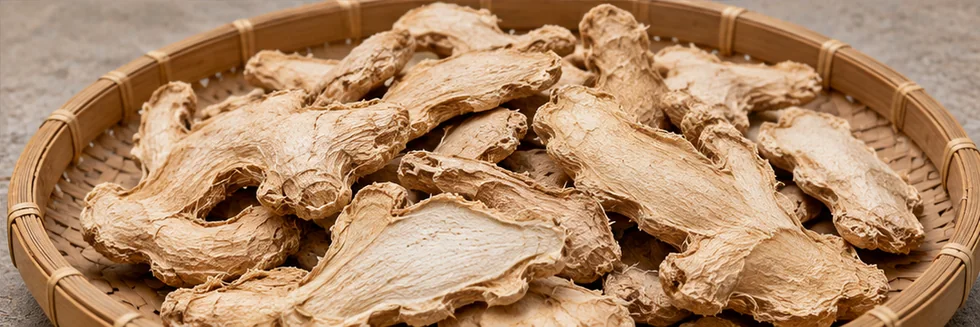
Dried Ginger is produced from cleaned rhizomes that may be peeled, sliced, or dried whole. Rhizome maturity and fiber affect preparation, while gingerols and shogaols contribute to the pungency profile. Drying yield links the fresh-crop cost to the dry-spice market. Whole dried pieces, powder, and extraction material carry different handling and functional specifications.
Key Applications & Industrial Demand
Bakery goods, seasonings, beverages, confectionery, and flavor extracts use ginger for heat and aroma. Powder buyers require suitable fineness and purity; extraction plants assess recoverable flavor compounds rather than visual appearance alone.
Key Factors Influencing Dried Ginger Price Movements
- Rhizome and Recovery: Rhizome maturity, fiber, peeling losses, and drying yield determine usable dried output from the fresh harvest.
- Pungency Profile: Gingerols, shogaols, aroma retention, and drying conditions influence suitability for spice blends, beverages, or extraction.
- Ingredient Preparation: Cut size, grinding, microbial treatment, purity testing, and moisture-proof packing affect the price of a qualified food ingredient.
How to Interpret Dried Ginger Pricing Data
Compare currency per kilogram with peeled status, cut form, moisture, fiber, and treatment specified. Fresh rhizome prices require a drying-yield adjustment before comparison with dry spice. Grinding, sterilization, and packaging add separate ingredient costs.
Further reading: FAO: Ginger Processing
Frequently Asked Questions About Dried ginger
What drives price changes for Dried Ginger?
Fresh ginger supply, dry recovery, drying energy, flavor quality, and food or extraction orders influence prices.
How do quality or specification differences affect Dried Ginger pricing?
Peeled status, moisture, fiber, pungency, aroma, particle form, and treatment distinguish dried-ginger grades.
Why can local Dried Ginger prices differ from global benchmarks?
Drying, peeling, grinding, treatment, freight, and local demand for particular preparations add regional costs.