


Understanding DRI sponge iron Prices
Market Overview & Supply Chain Dynamics
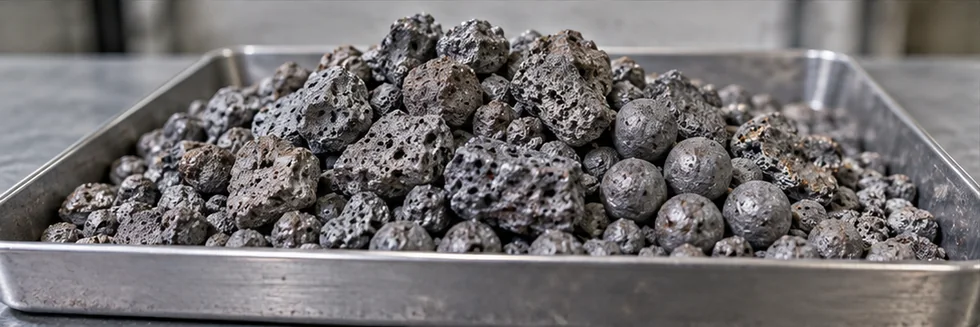
DRI Sponge Iron is produced by removing oxygen from iron ore without fully melting it. Metallization, gangue content, and carbon content determine its value to steelmakers. Its porous structure creates reoxidation and handling concerns, while HBI offers a denser related product. Gas- and coal-based reduction routes face different energy economics and can produce different commercial specifications.
Key Applications & Industrial Demand
Electric-arc furnaces use DRI to supplement scrap with a more controlled metallic feed. Mills may value low residual copper and other tramp elements, especially for demanding steel grades. Performance still depends on metallization, impurities, and the full furnace charge mix.
Key Factors Influencing DRI Sponge Iron Price Movements
- Reduction Economics: Gas or coal, ore pellets, energy, and reduction-plant utilization determine the cost of producing a suitably metallized metallic feed.
- Furnace Yield: Metallization, gangue content, and carbon content influence electrical consumption, slag, yield, and refining requirements in an electric-arc furnace.
- Handling Form: Reoxidation risk, storage conditions, and the distinction between sponge DRI and HBI affect shipping options and the amount of usable iron delivered.
How to Interpret DRI Sponge Iron Pricing Data
DRI is commonly quoted per metric ton, but compare metallic iron and total chemistry rather than gross weight alone. HBI, cold DRI, and hot charged material have different transport and energy value. Delivered offers should account for fines and storage condition.
Further reading: AISI Steelmaking and Direct-Reduced Iron
Frequently Asked Questions About DRI sponge iron
What Drives Price Changes for DRI Sponge Iron?
Ore-feed costs, reduction energy, steel production, and competing scrap values influence DRI prices. Gas availability can alter production economics sharply in regional plants.
How Do Quality or Specification Differences Affect DRI Sponge Iron Pricing?
Metallization, total iron, carbon, gangue, sulfur, phosphorus, and fines matter. A high gross iron assay can still conceal lower metallic yield or costly impurities.
Why Can Local DRI Sponge Iron Prices Differ From Global Benchmarks?
Transport form, reoxidation controls, port access, distance to EAF mills, and competing scrap supply influence regional value. Hot charging creates benefits unavailable to distant seaborne buyers.