


Understanding DOTP plasticizer Prices
Market Overview & Supply Chain Dynamics
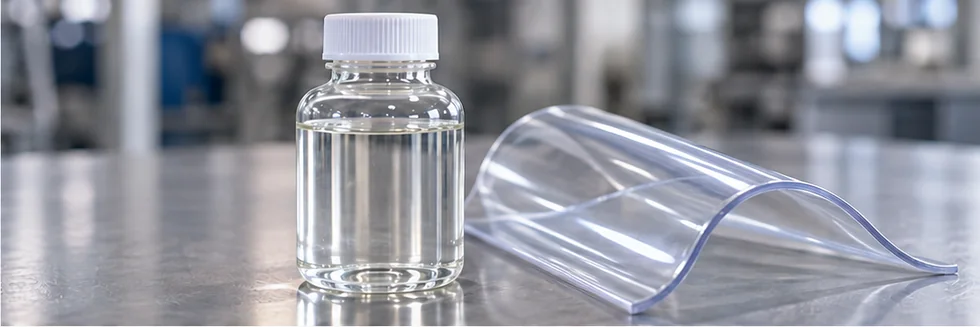
DOTP Plasticizer is a terephthalate ester commonly made using 2-ethylhexanol and a terephthalate intermediate. It creates PVC flexibility by modifying the polymer's physical behavior rather than forming the PVC backbone. Migration, color and acidity, volatility, and ester assay influence acceptance. Commercial DOTP should be distinguished from DOP terminology because names used informally in trade can conceal different ester chemistry and application approvals.
Key Applications & Industrial Demand
Cable compounds, flooring, synthetic leather, coated fabrics, and other flexible-PVC products consume DOTP. Customers choose plasticizers for processing, durability, extraction resistance, and the rules applicable to the finished product. Qualification often depends on a whole compound rather than the plasticizer alone.
Key Factors Influencing DOTP Plasticizer Price Movements
- Alcohol and Ester Feedstocks: 2-ethylhexanol and terephthalate ester economics influence DOTP production costs, while operating rates determine the volume available for merchant sale.
- Flexible-PVC Formulations: PVC flexibility, migration behavior, and customer approvals affect substitution between plasticizers, supporting premiums for established material in demanding end uses.
- Purification Quality: Color and acidity limits, residual alcohol, and ester consistency influence processing and appearance, especially in clear or light-colored flexible products.
How to Interpret DOTP Plasticizer Pricing Data
DOTP offers generally use metric tons of liquid in tanks, IBCs, or drums. Compare ester identity, assay, color, acidity, and delivery terms. A low-price alternate plasticizer can change compound loading, performance, and approval costs, so equal price per ton need not mean equal value.
Further reading: Eastman Plasticizers and Formulation Resources
Frequently Asked Questions About DOTP plasticizer
What drives price changes for DOTP Plasticizer?
Alcohol feedstocks, terephthalate inputs, ester-plant operations, and flexible-PVC demand influence prices. Flooring and cable purchasing cycles can move regional consumption.
How do quality or specification differences affect DOTP Plasticizer pricing?
Chemical identity, ester assay, color, acidity, water, and residual alcohol matter. Migration and finished-product approvals also affect whether an alternate grade is commercially usable.
Why can local DOTP Plasticizer prices differ from global benchmarks?
Tank storage, drum filling, duties, inland freight, and nearby PVC-compounding demand affect local prices. Approved inventory and payment terms can add further premiums.