


Understanding District heating Prices
Market Overview & Supply Chain Dynamics
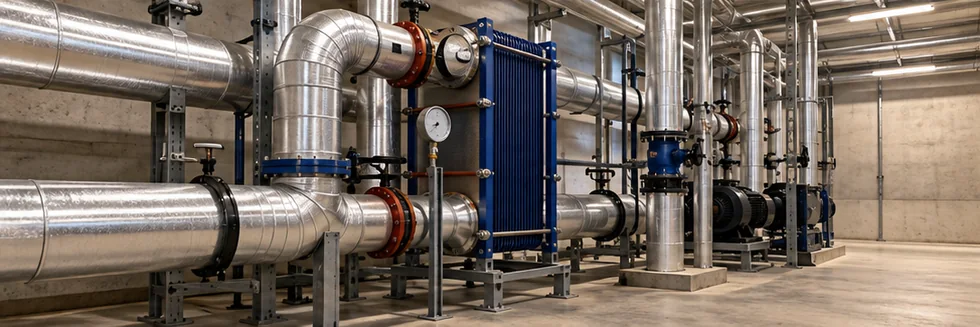
District Heating distributes thermal energy from central boilers, combined heat-and-power plants, or recovered-heat installations. A heat exchanger transfers energy into the building circuit, and a thermal meter combines water flow with the supply temperature and return temperature difference. Network loss and operating temperatures influence how much generated heat must be supplied to deliver a useful unit at the customer.
Key Applications & Industrial Demand
Apartment blocks, hospitals, campuses, and commercial districts use heat networks for space heating and sometimes domestic hot water. Their economics depend on building density and heat demand, since a long pipe serving little consumption is costly to maintain.
Key Factors Influencing District Heating Price Movements
- Heat Production Mix: Boiler fuel, recovered heat, and combined heat-and-power operation determine the variable cost of energy entering the network.
- Network Temperatures: Supply temperature and return temperature affect heat exchanger performance, pumping requirements, and network loss.
- Connection Density: Thermal meter consumption, reserved capacity, and the number of connected buildings determine how infrastructure costs are shared.
How to Interpret District Heating Pricing Data
Read heat charges in currency per kilowatt-hour, megawatt-hour, or gigajoule of thermal energy. Separate connection-capacity charges from metered heat. Check temperature requirements, service boundaries, and whether domestic hot-water preparation is included in the quoted arrangement.
Further reading: DOE: District Energy Systems
Frequently Asked Questions About District heating
What drives price changes for District Heating?
Fuel purchases, heat-production efficiency, network maintenance, weather, and connection demand influence heat tariffs. Contract formulas determine how input-cost changes reach customers.
How do quality or specification differences affect District Heating pricing?
Temperature, available capacity, metering boundary, fixed charges, and service reliability define delivered heat. A fuel price alone does not represent a heating-network service.
Why can local District Heating prices differ from global benchmarks?
Each network has its own fuel mix, pipe length, connected density, and recovered-heat resources. These local assets determine its thermal delivery economics.