


Understanding Denim fabric Prices
Market Overview & Supply Chain Dynamics
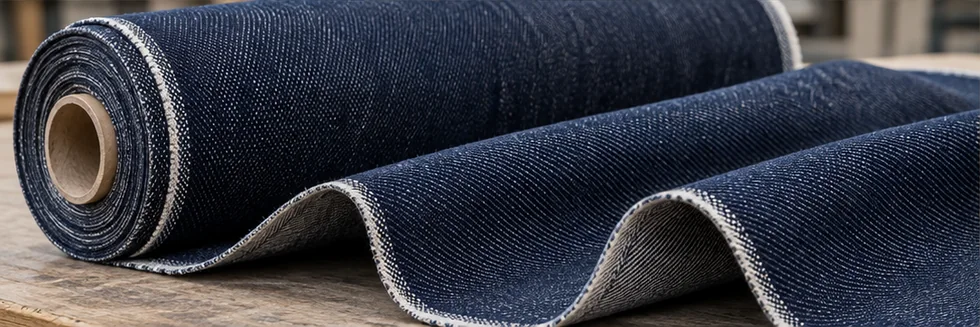
Denim Fabric commonly combines warp dyeing with a twill weave, but its ounce weight, sanforization, and stretch content define commercially distinct products. Yarn spinning, indigo preparation, sizing, weaving, and finishing establish the cloth before garment conversion. Rigid and stretch denim can behave very differently in cutting and washing. A particular blue shade does not identify equal construction, shrinkage, or recovery.
Key Applications & Industrial Demand
Jeans, jackets, skirts, workwear, and fashion products consume denim selected for weight, hand, color, strength, and wash response. Buyers plan the finished appearance together with garment processing. Lightweight shirting denim and heavy rigid jeans cloth therefore have different demand and quality requirements.
Key Factors Influencing Denim Fabric Price Movements
- Yarn and Weaving Costs: Cotton quality, yarn construction, twill weave density, warp dyeing, sizing, and loom efficiency determine much of the cloth's production cost.
- Weight and Stretch Design: Ounce weight, stretch content, recovery, width, and strength alter material use and the performance available in a finished garment.
- Finish and Wash Response: Sanforization, shade consistency, skew, shrinkage, colorfastness, and compatibility with garment washing influence cutting yield and final product rejection.
How to Interpret Denim Fabric Pricing Data
Denim usually quotes per meter or yard with width, ounce weight, composition, construction, shade, and finish. Compare rigid with rigid or equivalent stretch grades. Garment-washed jeans include cutting, sewing, hardware, and washing beyond the fabric's mill price.
Further reading: CottonWorks Denim Construction and Yarn Systems
Frequently Asked Questions About Denim fabric
What Drives Price Changes for Denim Fabric?
Cotton and yarn costs, indigo, energy, weaving capacity, jeans orders, and inventory influence prices. Specialty stretch, premium shades, and small fashion runs can carry separate premiums.
How Do Quality or Specification Differences Affect Denim Fabric Pricing?
Weight, weave, yarn, stretch, recovery, shade, skew, shrinkage, and wash behavior matter. Two blue denim rolls can produce different fit and appearance after garment processing.
Why Can Local Denim Fabric Prices Differ From Global Benchmarks?
Local dyeing, weaving, finishing, freight, duties, stock colors, and jeans-factory demand affect prices. Approved wash response and reliable shade continuity can add value.