


Understanding Crushed sand Prices
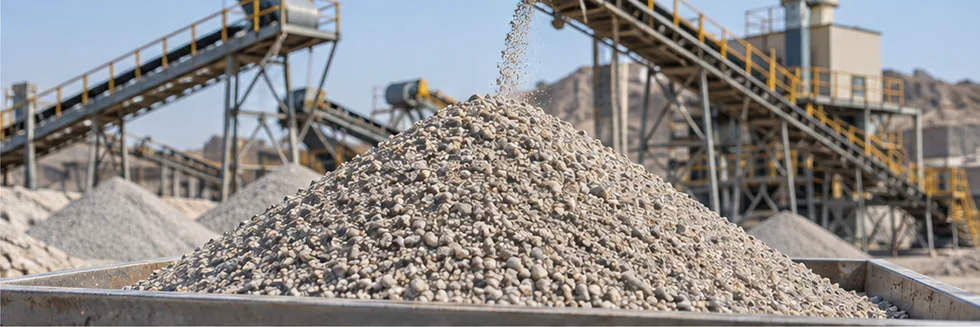
Market Overview & Supply Chain Dynamics
Crushed Sand is manufactured from rock through crushing, screening, and washing or air classification. Angular particles, fines control, grading curve, and rock quality distinguish finished grades. The product can substitute for natural sand in suitably designed mixes, but different particle shape may change workability and water demand. Manufacturing consistency is therefore a central commercial benefit rather than an assumption attached to the name.
Key Applications & Industrial Demand
Concrete, mortar, precast products, and selected paving applications use manufactured sand that meets their mix requirements. Customers need stable grading and suitable mineral durability. A mix may require adjustment when switching from rounded natural sand to angular crushed particles.
Key Factors Influencing Crushed Sand Price Movements
- Crushing Economics: Rock quality, crusher wear, electricity, classification, and plant throughput influence the cost of producing a consistent manufactured fine aggregate.
- Workability and Fines: Angular particles, fines control, and grading curve affect water demand, admixture use, and mix performance, making processing quality commercially important.
- Finished Classification: Washing or air classification, stockpile management, moisture, and local concrete demand determine the quality and availability of usable crushed-sand grades.
How to Interpret Crushed Sand Pricing Data
Compare prices per dry ton or a clearly defined bulk volume. Identify grading, fines, moisture, rock type, and delivery. A cheaper unclassified crusher dust is not equivalent to controlled concrete sand and may increase cement or admixture consumption.
Further reading: USGS Crushed Stone Industry Information
Frequently Asked Questions About Crushed sand
What Drives Price Changes for Crushed Sand?
Quarry output, electricity, wear parts, classification costs, and concrete demand influence prices. Natural-sand restrictions can increase interest in qualified manufactured alternatives.
How Do Quality or Specification Differences Affect Crushed Sand Pricing?
Grading, particle shape, microfines, clay contamination, rock durability, and moisture matter. Consistent manufactured sand can offer different performance from ordinary crusher dust.
Why Can Local Crushed Sand Prices Differ From Global Benchmarks?
Quarry location, power, washing water, haulage, permits, and batching-plant demand affect prices. Freight and local access to suitable parent rock create regional differences.