


Understanding Consumer RAM modules Prices
Market Overview & Supply Chain Dynamics
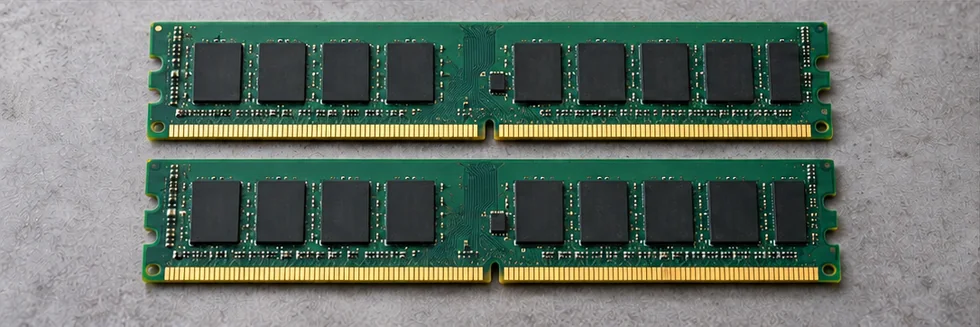
Consumer RAM modules mount tested DRAM chips on a small circuit board, with identification information and, in some designs, power-management circuitry or a heat spreader. DDR generation, DIMM form, capacity, timings, and memory profile define compatibility. A pair sold as a validated kit is a different offer from individually sourced modules, even when the total advertised capacity matches.
Key Applications & Industrial Demand
PC builders, gamers, laptop owners, and repair shops buy RAM to increase working memory or replace failed modules. Demand depends on motherboard and processor platforms, application memory requirements, available slots, and whether the machine allows upgrades. Decorative lighting and overclocking features serve narrower enthusiast preferences.
Key Factors Influencing Consumer RAM Modules Price Movements
- DRAM Content: Capacity, chip density, DDR generation, and component availability determine much of the cost of producing a finished memory module.
- Validation and Performance: Timings, memory profile testing, kit matching, board construction, and heat-spreader design distinguish standard upgrades from enthusiast configurations.
- Platform Demand: Processor transitions, desktop builds, laptop upgradeability, channel stock, and replacement demand influence pricing for specific DIMM and SO-DIMM formats.
How to Interpret Consumer RAM Modules Pricing Data
Module prices are per stick or matched kit; note both capacity per module and the number supplied. Compare standard operating settings before assuming an advertised overclocked speed will work in every system. Laptop versus desktop format, return rights, testing, and warranty also affect the practical upgrade cost.
Further reading: Crucial: Computer Memory
Frequently Asked Questions About Consumer RAM modules
What drives price changes for Consumer RAM Modules?
DRAM market cycles, computer platform transitions, module capacities, enthusiast demand, and stock held by retailers influence memory-kit prices.
How do quality or specification differences affect Consumer RAM Modules pricing?
DDR generation, form factor, capacity, timings, validated profiles, and matched-kit testing create different compatibility and performance grades.
Why can local Consumer RAM Modules prices differ from global benchmarks?
Kit availability, local warranty, taxes, import freight, and retailer testing services separate module offers from upstream DRAM prices.