


Understanding Construction and demolition waste treatment Prices
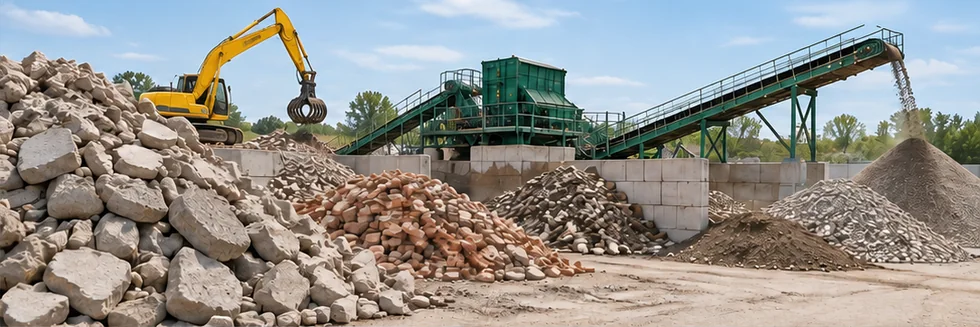
Market Overview & Supply Chain Dynamics
Construction and Demolition Waste Treatment depends on the inert fraction, source separation, and destination facility. A sorting facility handles a different load from clean public-fill material, while asbestos requires a separate route. Hong Kong dollar charges per weighed tonne distinguish accepted construction-waste categories. Concrete, timber, metal, plasterboard, packaging, and other debris do not create one uniform waste stream or one universal treatment cost.
Key Applications & Industrial Demand
Builders, demolition contractors, renovation businesses, and site owners purchase waste management as work generates debris. Salvage and segregated recycling can recover usable materials before disposal. Site logistics, available storage, and sequencing determine whether separate loads are practical or mixed waste must be transported for off-site sorting.
Key Factors Influencing Construction and Demolition Waste Treatment Price Movements
- Material Composition: Inert fraction, combustible content, contamination, and asbestos or other restricted materials determine acceptance and the available recovery or disposal route.
- Sorting and Recovery Work: Source separation, sorting facility requirements, crushing, metal recovery, and reusable material markets influence treatment effort and potential offsets to costs.
- Load and Transport Arrangements: Weighed tonne rules, minimum loads, container rental, truck access, haulage distance, and facility-category tariffs determine the complete jobsite waste-management bill.
How to Interpret Construction and Demolition Waste Treatment Pricing Data
Compare Hong Kong dollars per tonne only within the same accepted load category and destination type. Public fill, sorting, and landfill tariffs buy different services. Add skip or container rental, transport, site handling, and any testing. An unusually cheap disposal quote may refer to clean inert material rather than an unsorted demolition load, so the material definition is commercially decisive.
Further reading: Hong Kong EPD: Construction Waste Disposal Charging Scheme US EPA: Construction and Demolition Material Types
Frequently Asked Questions About Construction and demolition waste treatment
What Drives Price Changes for Construction and Demolition Waste Treatment?
Waste composition, sorting effort, truck access, recovery markets, disposal capacity, and official tariff revisions influence costs. Better separation can change the receiving category without changing the project's total debris mass.
How Do Quality or Specification Differences Affect Construction and Demolition Waste Treatment Pricing?
Compare inert content, contamination, restricted materials, load segregation, and recovery requirements. Clean concrete and mixed renovation debris require different facility operations and charging categories.
Why Can Local Construction and Demolition Waste Treatment Prices Differ From Global Benchmarks?
Facility access, landfill policy, recycling markets, haulage distances, and building methods vary. Local minimum-load rules and container charges can outweigh differences in the advertised tonnage tariff.