


Understanding Chili powder Prices
Market Overview & Supply Chain Dynamics
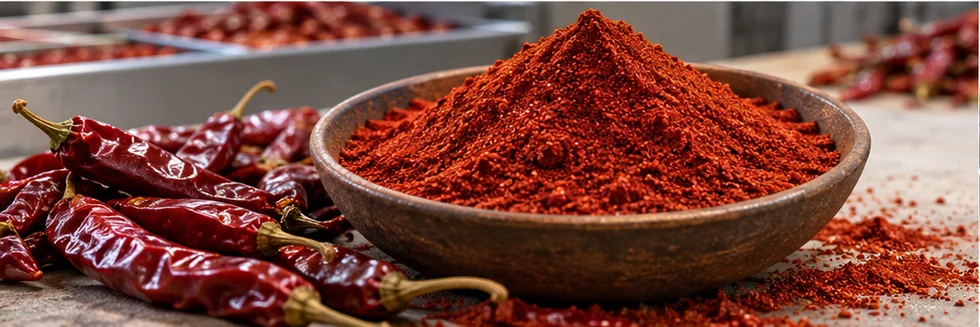
Chili Powder is made by drying and grinding selected peppers, with capsaicinoids and color strength determining much of its functional value. Mesh size and seed fraction affect texture, dispersibility, and flavor. Microbial reduction can be part of a food-qualified supply chain. Pure ground chili also differs from a blended chili seasoning containing other ingredients.
Key Applications & Industrial Demand
Snack coatings, sauces, processed meats, spice blends, and restaurant kitchens require particular heat and color. Manufacturers value repeatable batches because a small change in pungency can alter the finished recipe materially.
Key Factors Influencing Chili Powder Price Movements
- Pepper Selection: Cultivar, capsaicinoids, color strength, maturity, and dried-fruit supply establish the starting flavor and pigment profile.
- Grinding Composition: Mesh size, seed fraction, stems, and drying quality determine usable texture and batch consistency.
- Food Qualification: Microbial reduction, residue and contaminant testing, traceability, and protective packaging create premiums for qualified ingredient supply.
How to Interpret Chili Powder Pricing Data
Compare currency per kilogram with pure-spice or blend status, heat, color, moisture, fineness, and treatment stated. Whole dried chili prices exclude grinding yield and preparation. Cost-in-use depends on the dose needed to achieve the required heat and appearance.
Further reading: FAO/WHO: Spice Food-Safety Standards
Frequently Asked Questions About Chili powder
What drives price changes for Chili Powder?
Dried-pepper supply, desired heat and color grades, grinding costs, treatment, and food-manufacturing orders influence powder prices.
How do quality or specification differences affect Chili Powder pricing?
Heat, color, purity, seed content, mesh, moisture, and microbial requirements distinguish powder grades and blended seasonings.
Why can local Chili Powder prices differ from global benchmarks?
Grinding, recipe standardization, testing, treatment, packing, freight, and local heat preferences add regional value.