


Understanding Chest CT Prices
Market Overview & Supply Chain Dynamics
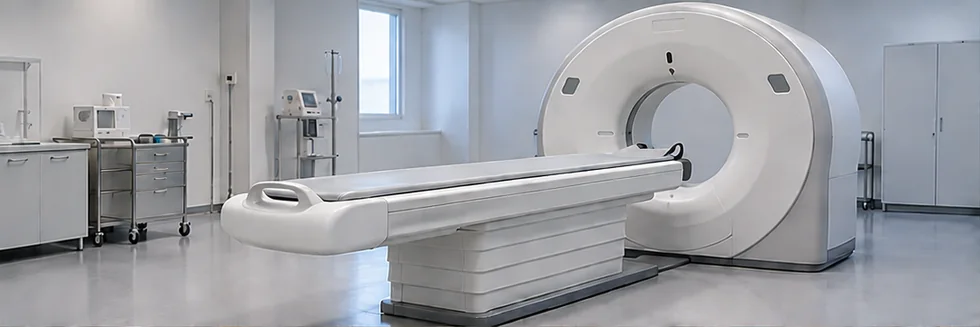
Chest CT produces cross-sectional thoracic images using X-ray acquisition and computer reconstruction. Low-dose screening, standard diagnostic scans, and examinations using iodinated contrast are distinct protocols. Breath-hold coordination and patient positioning support usable image acquisition. Hong Kong dollar fees per specified examination must therefore be connected to a named protocol; a simple chest radiograph or an equipment supplier's scanner quotation describes an entirely different purchase.
Key Applications & Industrial Demand
Radiology departments supply chest CT for clinically requested assessment of the lungs, mediastinum, and other thoracic structures. Referrals originate in several specialties and emergency care. Screening programs can use dedicated low-dose pathways, while contrast-enhanced or vascular studies require their own acquisition and preparation arrangements, appointment capacity, and professional reporting.
Key Factors Influencing Chest CT Price Movements
- Protocol and Acquisition Work: Low-dose, conventional, and contrast-enhanced examinations differ in preparation and reporting requirements; reconstruction and acquisition settings must suit the actual diagnostic task.
- Contrast and Consumables: Iodinated contrast, injection equipment, cannulation, and associated staff time add costs that may be absent from a noncontrast examination price.
- Scanner and Reporting Capacity: Equipment service contracts, scanner utilization, trained radiographers, and radiologist turnaround commitments influence the price of delivering a completed chest CT examination.
How to Interpret Chest CT Pricing Data
Use a charge per completed examination with contrast status and protocol identified. Contrast injection, cannulation, laboratory preparation, radiologist interpretation, and urgent access may be bundled differently. A low-dose screening package should not be treated as a general diagnostic CT tariff. Public hospital charges and private all-inclusive appointments also incorporate different financing and administrative costs.
Further reading: RadiologyInfo: Chest CT
Frequently Asked Questions About Chest CT
What Drives Price Changes for Chest CT?
Scanner operating costs, reporting fees, contrast expenses, and public tariff revisions change CT charges. Additional protocols or urgent scheduling can alter the bill independently of routine scan prices.
How Do Quality or Specification Differences Affect Chest CT Pricing?
Identify screening or diagnostic purpose, contrast status, and reporting scope. Low-dose screening, vascular imaging, and routine diagnostic chest examinations should be compared as separate services.
Why Can Local Chest CT Prices Differ From Global Benchmarks?
Local installation costs, staffing, hospital subsidies, insurance agreements, and appointment volumes differ. An imported scanner's cost cannot alone predict the fee for an individual examination.