


Understanding Cargo barge Prices
Market Overview & Supply Chain Dynamics
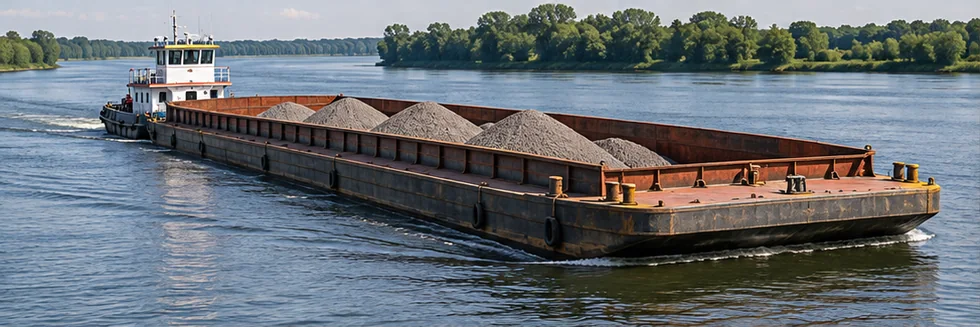
A cargo barge provides cargo space through a deck, hold, or specialized load area, often relying on a tug or pusher. Deadweight, deck loading, draft, hatch arrangement, and towing arrangement determine its route and cargo suitability. A shallow-draft inland barge differs from a sea-going heavy-deck platform. Hull structure, subdivision, stability, corrosion allowance, and approved operating area influence shipbuilding cost and commercial usefulness.
Key Applications & Industrial Demand
Construction logistics, inland waterways, bulk shippers, project cargo operators, and ports use barges for large or dense loads. Demand follows river conditions, waterway access, infrastructure projects, and cargo flows. Equipment transport can require ramps or reinforced loading areas that a simple bulk-cargo craft does not possess.
Key Factors Influencing Cargo Barge Price Movements
- Hull and Payload Design: Deadweight, draft, deck loading, stability, and structural reinforcement determine the cargo quantity and load distribution a barge can carry.
- Cargo Access: Hatch arrangement, ramps, loading equipment, securing points, and towing arrangement change handling requirements and suitable cargoes.
- Operating Area and Condition: Class status, navigation area, hull age, steel wastage, inspection, and delivery location influence the value of new or used barges.
How to Interpret Cargo Barge Pricing Data
Compare whole-barge offers using carrying capacity under the intended draft and route limits. Identify propulsion, ramps, holds, cranes, certification, and delivery scope. Towage, crew, moorings, loading, and inland relocation are separate operating costs. A low acquisition price can be offset by structural repairs or unsuitable waterway dimensions.
Further reading: Damen: Pontoons and Barges
Frequently Asked Questions About Cargo barge
What Drives Price Changes for Cargo Barge?
Steel, shipyard capacity, cargo projects, waterway demand, and available secondhand tonnage influence cargo-barge sale prices.
How Do Quality or Specification Differences Affect Cargo Barge Pricing?
Hull strength, payload geometry, draft, stability, cargo access, and remaining steel condition distinguish barges with similar nominal deadweight.
Why Can Local Cargo Barge Prices Differ From Global Benchmarks?
Towage delivery, surveys, navigation restrictions, repairs, registration, and local loading infrastructure create regional differences in usable barge cost.