


Understanding Butyl rubber Prices
Market Overview & Supply Chain Dynamics
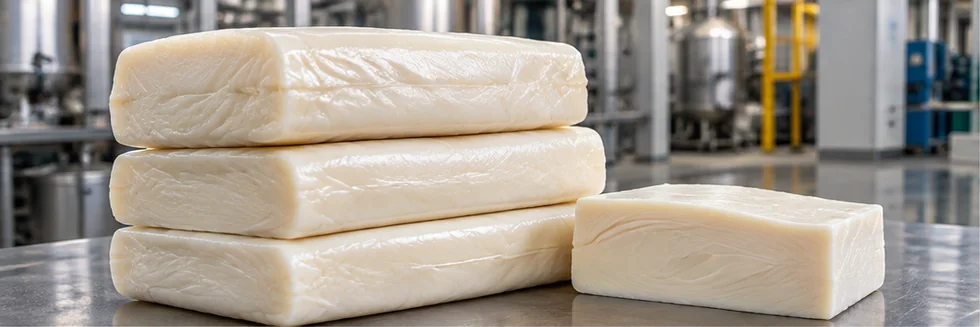
Butyl Rubber is made predominantly from isobutylene with a smaller isoprene fraction that enables curing. Low gas permeability gives it a distinct role in air-retention products. Mooney viscosity and the distinction between regular butyl and halobutyl are commercially important. Chlorinated or brominated variants have different cure and compatibility behavior, so a broad butyl quotation may conceal technically separate products.
Key Applications & Industrial Demand
Tire inner tubes, innerliners, pharmaceutical closures, membranes, and selected sealants use appropriate butyl-family elastomers. Tire manufacturers often specify halogenated grades, while other applications may favor regular IIR. Purity and extractables requirements can be especially important for pharmaceutical closures.
Key Factors Influencing Butyl Rubber Price Movements
- Monomer and Plant Balance: Isobutylene and isoprene supply, specialized polymer capacity, and plant maintenance affect the volume available to tire and technical-rubber users.
- Barrier Performance: Gas permeability, compound design, and curing determine air retention, making an approved material's performance more important than a generic rubber price.
- Grade Chemistry: Halobutyl identity, Mooney viscosity, and cure response distinguish regular, chlorinated, and brominated products with different end-use qualification requirements.
How to Interpret Butyl Rubber Pricing Data
Butyl rubber is commonly priced per kilogram or ton of dry material. Identify regular IIR, bromobutyl, or chlorobutyl before comparing offers. Viscosity, stabilizers, packaging, and any closure-related qualification contribute to value beyond a broad tire-rubber indicator.
Further reading: ARLANXEO Butyl Polymer Family
Frequently Asked Questions About Butyl rubber
What Drives Price Changes for Butyl Rubber?
Monomer costs, specialized plant outages, tire production, and pharmaceutical or industrial demand affect prices. Halobutyl grades can face different supply conditions from regular butyl.
How Do Quality or Specification Differences Affect Butyl Rubber Pricing?
Halogenation, viscosity, unsaturation, cleanliness, and cure behavior distinguish products. Pharmaceutical grades also require controls that ordinary tire compounds may not need.
Why Can Local Butyl Rubber Prices Differ From Global Benchmarks?
Qualified inventories, import duties, freight, tire-factory approvals, and local technical-rubber demand affect prices. Specialized forms can retain premiums where alternative suppliers require requalification.