


Understanding BOPP film Prices
Market Overview & Supply Chain Dynamics
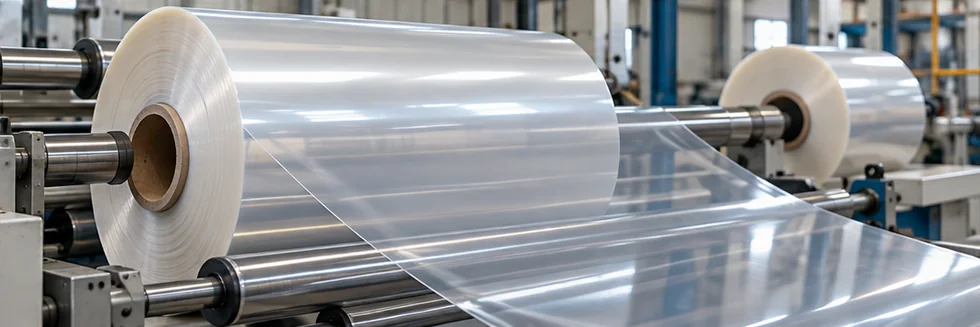
BOPP Film is produced by biaxial orientation of polypropylene-based film structures. Corona treatment, heat-seal layer, haze, and thickness profile distinguish commercial grades. Clear, matte, white, pearlized, and metallizable films serve different purposes. Oriented film is not simply a thin sheet of ordinary PP resin, because stretching, layer design, surface treatment, and winding add specialized conversion value.
Key Applications & Industrial Demand
Flexible packaging, labels, tapes, overwraps, and laminates use BOPP selected for printing, sealing, appearance, and barrier construction. A label film can differ from a snack-packaging film. The full laminate may provide properties that the BOPP layer alone does not possess.
Key Factors Influencing BOPP Film Price Movements
- Resin and Orientation: Polypropylene feed, additives, biaxial orientation, energy, line yield, and grade-change schedules influence base-film cost.
- Surface and Sealing: Corona treatment, heat-seal layer chemistry, treatment retention, and adhesive compatibility determine printing or lamination acceptance.
- Optical and Converting Quality: Haze, thickness profile, stiffness, roll winding, width, and defects influence package appearance, machine speed, and conversion waste.
How to Interpret BOPP Film Pricing Data
BOPP can quote per kilogram, ton, or area. Align thickness, density-related construction, width, treatment side, sealability, and roll size. A kilogram of a thin clear film provides a different area from a thicker or filled white grade.
Further reading: LyondellBasell Polypropylene Material Resources
Frequently Asked Questions About BOPP film
What Drives Price Changes for BOPP Film?
PP resin, energy, orientation capacity, packaging orders, and film inventories influence prices. Specialty surfaces and smaller production runs can carry different premiums.
How Do Quality or Specification Differences Affect BOPP Film Pricing?
Thickness, haze, treatment, seal behavior, shrinkage, stiffness, surface defects, and winding matter. Films sharing the BOPP name may not run or bond equivalently.
Why Can Local BOPP Film Prices Differ From Global Benchmarks?
Specialist line availability, freight, duties, slitting, treatment age, and local printing or laminating demand affect prices. Trim and rejected rolls change the cost of usable area.