


Understanding Black tea Prices
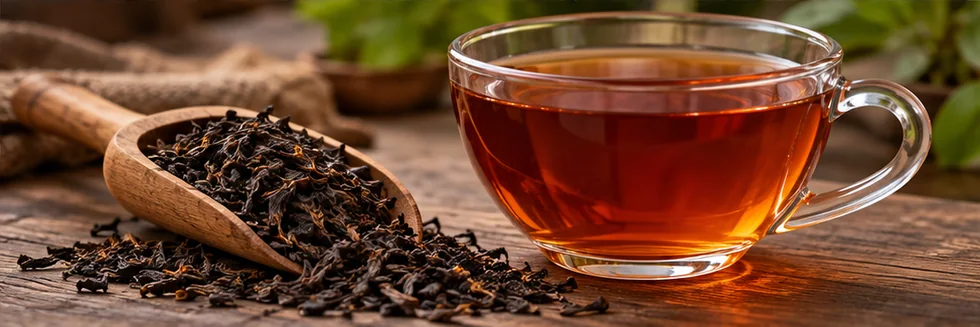
Market Overview & Supply Chain Dynamics
Black Tea develops through withering, rolling or cutting, oxidation, and drying. Theaflavins and other transformed compounds contribute to brewed color and flavor. Leaf grade describes preparation and particle size rather than a universal quality ranking, while liquor strength matters to commercial blending. Orthodox whole-leaf and CTC-style products therefore serve different uses within the black-tea market.
Key Applications & Industrial Demand
Tea bags, loose-leaf retail, ready-to-drink extraction, and beverage blends need different leaf sizes and brew profiles. Blenders purchase for consistency across seasons, balancing brightness, strength, aroma, origin character, and cost.
Key Factors Influencing Black Tea Price Movements
- Leaf and Processing: Plucking quality, withering, oxidation control, and drying influence the leaf's sensory potential and processing yield.
- Brew Performance: Theaflavins, liquor strength, aroma, and leaf grade determine suitability for tea bags, loose leaf, or extraction.
- Seasonal Auction Supply: Rainfall, harvest flushes, estate output, auction participation, and blender orders create origin- and grade-specific price movements.
How to Interpret Black Tea Pricing Data
Compare auction or supplier prices per kilogram for the same origin, manufacturing style, leaf grade, and sensory quality. A national auction average blends many grades and cannot represent a particular premium lot. Packing and blending create additional downstream value.
Further reading: Oregon State University: Tea Processing and Composition
Frequently Asked Questions About Black tea
What drives price changes for Black Tea?
Seasonal leaf output, weather, manufacturing quality, auction supply, export demand, and blender requirements influence black-tea prices.
How do quality or specification differences affect Black Tea pricing?
Leaf grade, processing style, aroma, brew strength, brightness, origin, and harvest season determine commercial suitability and premiums.
Why can local Black Tea prices differ from global benchmarks?
Blending, packaging, estate quality, freight, import charges, and local taste preferences separate retail or wholesale offers from auction averages.