


Understanding 32-bit microcontroller Prices
Market Overview & Supply Chain Dynamics
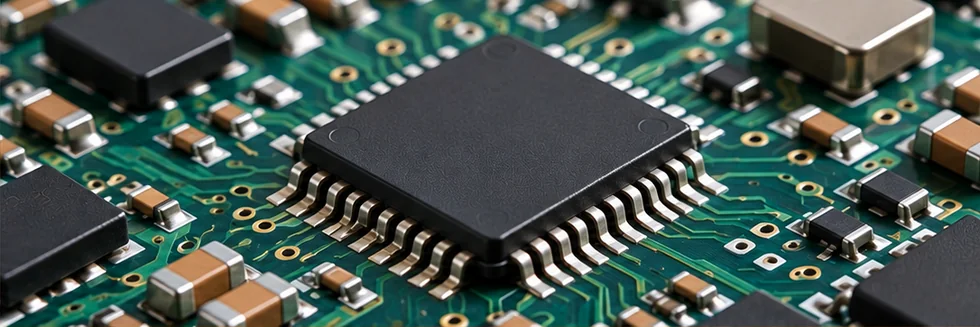
A 32-bit microcontroller integrates a CPU, flash memory, SRAM, timers, and interfaces in a packaged semiconductor. Its price depends on the actual device configuration rather than processor width alone. ADC performance, clock speed, pin count, low-power modes, and security functions determine which designs can use a part. Fabrication, wafer testing, packaging, and final electrical testing form the supply chain; a pin-compatible replacement still needs firmware and electrical validation.
Key Applications & Industrial Demand
Embedded teams use these controllers in connected sensors, appliance controls, industrial instruments, vehicle subsystems, and consumer electronics. Demand follows product design wins and production ramps, often persisting for years because rewriting firmware and qualifying a replacement costs more than a small component-price difference.
Key Factors Influencing 32-bit Microcontroller Price Movements
- Memory Configuration: Larger flash memory and SRAM, secure boot features, and specialized accelerators change die area and the value of a controller.
- Analog and Package Options: ADC precision, interface availability, pin count, and industrial temperature testing determine suitability for a specific circuit-board design.
- Design-In Supply: Foundry capacity, automotive qualification, product longevity commitments, and demand for an approved ordering code shape lead times and allocation.
How to Interpret 32-bit Microcontroller Pricing Data
UK electronics catalogs may quote these chips in pounds per pack rather than per individual IC. Divide the pack total by its stated device count and retain the exact ordering code, temperature grade, and package. Development boards, programmed devices, and bare production ICs represent different purchases.
Further reading: Texas Instruments: Arm-Based Microcontrollers
Frequently Asked Questions About 32-bit microcontroller
What drives price changes for 32-bit Microcontroller?
Wafer capacity, memory configuration, package availability, embedded design wins, and the availability of qualified substitutes influence component offers.
How do quality or specification differences affect 32-bit Microcontroller pricing?
Flash capacity, SRAM, analog precision, temperature rating, security, and package style separate chips sharing the same processor width.
Why can local 32-bit Microcontroller prices differ from global benchmarks?
Distributor inventory, reel or cut-tape quantities, import costs, traceable supply, and programming services create local component premiums.