


Understanding 1,000 L IBC container Prices
Market Overview & Supply Chain Dynamics
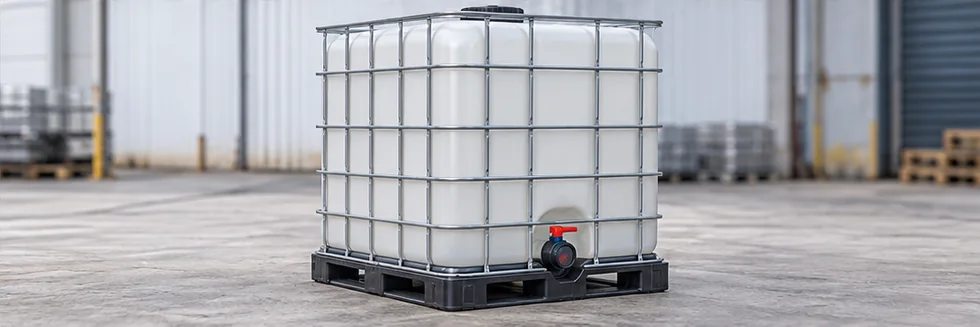
1,000 L IBC Container commonly describes a composite package with an inner bottle, protective cage, pallet base, and discharge valve. Rebottled condition, cleaned used stock, and entirely new containers have different histories and value. Capacity alone does not establish chemical compatibility, cleanliness, density rating, stacking, or transport qualification. The full assembly must match the intended contents and operation.
Key Applications & Industrial Demand
Chemical plants, food operations where qualified, farms, and industrial users employ IBCs for bulk liquid storage and movement. Filling, draining, forklift access, stacking, and return logistics influence selection. Previous use and cleaning records matter when considering a reused container for another product.
Key Factors Influencing 1,000 L IBC Container Price Movements
- Assembly Materials: Inner bottle resin, protective cage steel, pallet base, fittings, and manufacturing tests determine the cost of a new composite IBC.
- Contents and Connections: Discharge valve, gaskets, filling opening, compatibility, cleanliness, and service rating determine whether the assembly can handle the customer's liquid.
- Condition and Return Cycle: Rebottled condition, cleaning, inspection, certification, collection, and refurbishment create distinct markets and alter the cost over repeated use.
How to Interpret 1,000 L IBC Container Pricing Data
IBC quotations are usually per unit with capacity, condition, pallet, valve, qualification, and delivery stated. Confirm what has been replaced or cleaned. New, rebottled, and washed used packages should not be compared solely by visible cage condition or nominal volume.
Further reading: SCHÜTZ Ecobulk Composite IBC Products
Frequently Asked Questions About 1,000 L IBC container
What Drives Price Changes for 1,000 L IBC Container?
Polymer, steel, valves, manufacturing, refurbishment, industrial demand, and freight influence prices. Returnable fleets and shortages of clean qualified units can change local availability.
How Do Quality or Specification Differences Affect 1,000 L IBC Container Pricing?
Bottle condition, prior contents, valve, seals, frame, pallet, tests, compatibility, and records matter. A 1,000-liter label does not establish food-contact or dangerous-goods suitability.
Why Can Local 1,000 L IBC Container Prices Differ From Global Benchmarks?
Local refurbishment, return routes, bulky freight, duties, pallet design, and qualified stock affect prices. Collection credits or replacement-bottle arrangements can change total packaging cost.